
Estate & Probate Appraisals in Atlanta (2026): What Executors Get Wrong—and Pay For Later
If you’re an executor or administrator handling an estate in Atlanta, Georgia, you’re not just managing property—you’re managing risk.
One incorrect valuation…
One skipped appraisal…
One “good enough” estimate…
Can lead to:
IRS complications
Beneficiary disputes
Delayed probate proceedings
Or worse—personal liability
And here’s the problem most people don’t realize:
The biggest mistakes in probate don’t come from bad intentions.
They come from not knowing what an estate appraiser actually does—or when you truly need one.
7 Things Executors & Administrators Get Wrong About Estate Appraisals
1. Assuming a Zestimate or agent opinion is “good enough”
Online estimates and CMA reports are not independent, not defensible, and not designed for probate.
They don’t hold up under legal or IRS scrutiny.
2. Waiting too long to order the appraisal
Probate timelines move faster than expected.
Delays in valuation can hold up filings, distributions, and even court approvals.
3. Not understanding what an estate appraiser actually does
An estate or probate appraiser:
Determines fair market value at a specific effective date (often retrospective)
Produces a USPAP-compliant report
Provides supportable, documented adjustments
Prepares a report that can withstand legal, IRS, or third-party review
This is not just “valuing a home.”
This is building a defensible position.
4. Using a non-independent appraiser
If the valuation appears biased—or tied to a transaction—it can be challenged.
An independent estate and probate appraiser removes that risk entirely.
5. Not knowing if probate actually requires an appraisal
Technically, not every estate requires one.
But in practice?
If there’s:
Multiple heirs
Real property involved
Potential disputes
Tax implications
Then yes—you need one to protect yourself.
6. Hiring based on price instead of credibility
A low-cost appraisal that can’t be defended is more expensive in the long run.
Executors don’t get judged on how cheap they were—
They get judged on how accurate and defensible their decisions were.
7. Searching “estate appraiser near me” without vetting expertise
Not every appraiser specializes in probate.
You want someone who:
Understandsestate and probate workflows
Handles retrospective valuations
Works with attorneys, CPAs, and courts
Produces reports built for scrutiny—not just delivery
At the end of the day, an estate appraisal isn’t just about determining value.
It’s about:
Protecting yourself as the executor or administrator
Preventing disputes between heirs
Supporting filings with defensible documentation
Keeping the probate process moving forward—without delays
If you’re handling an estate in the Atlanta metropolitan area and you’re unsure:
Whether you need a probate appraisal
What effective date should be used
Or how to avoid costly mistakes
We’ve structured a 30-minute Appraisal Fit Callspecifically for executors and administrators.
During this call, you’ll get:
A clear answer on whether an appraisal is needed
Guidance on timing and effective date
Insight into potential risks specific to your situation
Bonus:If you move forward, we’ll prioritize your assignment within our current scheduling window and provide a step-by-step outline of what to expect during the process.
Important:We only take on a limited number of estate and probate assignments each week to ensure report quality and turnaround time.
Once our schedule is full, new requests are pushed to the following week.
If you’re currently in probate—or expect to be soon—
this is not something you want to delay.
Call at 404-692-3878 or Email reivaluations@gmail.com
April 26th 2026 9:51pm
Frequently Asked Questions About Estate and Probate Appraisals
What does an estate appraiser do?
An estate appraiser provides an independent opinion of fair market value for real property involved in an estate, probate matter, tax filing, beneficiary dispute, or settlement process. The appraiser analyzes the property, market data, comparable sales, property condition, and relevant valuation factors to produce a defensible appraisal report.
Is an appraisal required for probate?
An appraisal is not required in every probate matter; however, it is often strongly recommended when real estate is involved, especially if there are multiple heirs, potential disputes, tax considerations, court requirements, or a need to establish a reliable fair market value.
Do you need an appraisal for probate property in Georgia?
Many probate matters in Georgia benefit from a professional real estate appraisal because the executor or administrator may need a documented value for estate administration, beneficiary distribution, tax reporting, sale decisions, or legal review. A qualified appraisal can help support the value used during the probate process.
What is an estate appraisal?
An estate appraisal is a professional valuation of real property owned by a deceased person or held within an estate. The appraisal may be used for probate, IRS reporting, step-up in basis, estate settlement, beneficiary distribution, or legal documentation.
Why should executors hire an independent estate and probate appraiser?
Executors and administrators should consider hiring an independent estate and probate appraiser because an unbiased valuation can reduce the risk of disputes, support legal or tax filings, and provide documentation if the value is later questioned by heirs, attorneys, accountants, courts, or tax authorities.
Can a real estate agent provide a probate value instead of an appraiser?
A real estate agent may provide a comparative market analysis for listing purposes, but that is not the same as an independent appraisal. Probate, estate, tax, and legal matters often require a more formal and supportable valuation prepared by a licensed or certified real estate appraiser.
How do I find the best estate and probate appraiser near me?
When searching for an estate and probate appraiser near you, look for an independent real estate appraiser with experience in probate valuations, estate appraisals, retrospective effective dates, fair market value opinions, and reports prepared for legal, tax, or estate administration purposes.
Does REI Valuations & Advisory provide estate and probate appraisals in Atlanta, GA?
Yes. REI Valuations & Advisory provides estate and probate appraisal services in the Atlanta metropolitan area for executors, administrators, estate heirs, attorneys, CPAs, and homeowners who need an independent real estate valuation for estate administration, probate, tax reporting, or settlement purposes.

Inherited Property in Atlanta? The Probate Valuation Mistake That Costs Heirs Thousands
If you’ve been named an executor or inherited property in Atlanta… this is where most estates quietly lose money—and invite legal problems.
You’ve received (or are about to receive) Letters Testamentary or Letters of Administration.
Now the clock is running.
And one decision—how the estate is valued—will determine:
Whether heirs receive what they’re entitled to
Whether the court accepts your filings
Whether disputes escalate—or never happen
Whether you overpay taxes… or defend the valuation confidently
Most people think valuation is just a formality.
It isn’t.
It’s the foundation the entire estate stands on.
The Hidden Cost of “Just Getting an Appraisal”
Executors and heirs don’t run into problems because they skipped the appraisal.
They run into problems because they used the wrong one.
A fast appraisal instead of a defensible one
A generic report instead of a court-aware valuation
A low-cost option instead of a risk-controlled strategy
And by the time the issue surfaces…
It’s already filed.
Already challenged.
Already costing time, money, and relationships.
What You Need to Understand About Estate & Probate Valuation (Atlanta, 2026)
• What an Estate Appraiser Actually Does
Not just “value a property.”
A qualified estate and probate appraiser:
Determines Fair Market Value at the correct date (often date of death)
Produces documentation that can withstand:
Court scrutiny
IRS review
Attorney challenges
Aligns valuation with Georgia probate expectations
Protects executors from claims of mismanagement
Difference:
A standard appraisal supports a transaction.
A probate appraisal protects a fiduciary.
• Why Probate Appraisals Are Often Required (and Sometimes Assumed)
Courts often expect a documented inventory of estate assets
Real estate is typically the largest and most contested asset
Attorneys rely on independent valuations to avoid conflict
Even when not explicitly required…
Not having one creates exposure:
Disputes between heirs
Allegations of undervaluation or self-dealing
IRS scrutiny for estate tax filings
• The Role of Valuation in Estate Inventory
Before distribution… before liquidation… before tax filings…
You must establish value.
Valuation determines:
Asset distribution fairness
Tax basis (critical for capital gains later)
Estate tax exposure
Negotiation leverage among heirs
Without a credible valuation:
You’re guessing.
And fiduciaries are not allowed to guess.
• Executor & Administrator Fiduciary Duty (What’s Really at Risk)
If you are an executor or administrator, you are legally obligated to:
Act in the best interest of all beneficiaries
Maintain accuracy in reporting
Avoid negligence in asset valuation
That includes how you determine property value.
Failure here can lead to:
Personal liability
Court challenges
Removal as executor
Financial disputes among heirs
This isn’t theoretical.
It happens when valuation is treated casually.
• Why “Near Me” Searches Miss the Real Risk
Searches like:
estate and probate appraisal near me
estate appraiser near me
probate appraiser Atlanta GA
…optimize for proximity.
But probate valuation isn’t about proximity.
It’s about:
Credibility under scrutiny
Independence
Documentation strength
The wrong appraiser doesn’t fail immediately.
They fail when the report is questioned.
• Independent vs. Interested Valuations
You need an independent estate appraiser.
Not:
A realtor’s opinion
A quick CMA
A number tied to a future listing
Because:
Interested parties introduce bias
Bias creates disputes
Disputes delay distribution
Independence protects everyone involved.
• What “Best Estate & Probate Appraiser” Actually Means
Experience with date of death valuations
Understanding of probate timelines
Ability to produce defensible reports
Familiarity with Georgia-specific expectations
“Best” means:
Their report holds up when challenged.
Your Key Questions Answered
Q: What does an estate appraiser do?
They determine the fair market value of estate assets (especially real estate) at a legally relevant date—most often the date of death—while producing documentation suitable for court, tax filings, and dispute resolution.
Q: What is an estate appraisal?
An estate appraisal is a formal, independent valuation used to:
Inventory assets
Establish tax basis
Support probate filings
Prevent disputes among heirs
Q: Do you need an appraisal for probate?
In many cases, yes—or functionally yes.
Even when not mandated:
Attorneys rely on them
Courts expect defensibility
Executors use them to fulfill fiduciary duty
Q: What is a probate appraisal?
A probate appraisal is a valuation prepared specifically for estate administration, often tied to:
Date of death
Estate tax filings
Court documentation
It is not interchangeable with standard appraisals.
Q: How do I find an estate appraiser near me in Atlanta?
Focus less on “near me” and more on:
Probate-specific experience
Independence
Report defensibility
Location matters less than credibility under scrutiny.
Q: What makes an appraisal “court-ready”?
Clear methodology
Supportable comparables
Proper date alignment
Professional independence
Experience with probate and estate cases
What This Really Comes Down To
Most estates don’t fail because of bad intentions.
They fail because of weak documentation at the beginning.
Valuation is not a checkbox.
It’s the control point that determines:
Financial accuracy
Legal protection
Family harmony
Tax outcomes
Get it right early…
Or deal with it later—under pressure, under scrutiny, and often at a higher cost.
Protect the Estate Before It’s Filed
If you’re an executor, heir, or administrator handling property in Georgia, timing matters.
Estate filings, tax positioning, and distributions all depend on getting valuation right the first time.
We limit the number of probate and estate valuation assignments we accept each month to maintain report quality and defensibility.
Early consultations include:
Preliminary scope review
Identification of valuation risks
Guidance on timing relative to probate milestones
Schedule your Appraisal Fit Call before your filing timeline tightens.
Delays don’t pause liability—they increase exposure.
Call now or request your consultation to secure priority placement before the next estate filing window.
Call at 404-692-3878 or Email at reivaluations@gmail.com
April 19 2026 7:02pm

Atlanta Probate Heirs & Executors (2026): 9 Costly Mistakes to Avoid When Getting a Date of Death Appraisal
If you’re a probate heir, executor, or estate administrator, you’re likely making a valuation decision right now that will echo through tax filings, family distributions, and potential IRS scrutiny.
Most people don’t realize this until it’s too late.
And by then… the appraisal is already filed.
9 Mistakes That Can Cost You Thousands (or Trigger IRS Problems)
1. Waiting Too Long to Order the Appraisal
Most executors delay until paperwork piles up.
That delay turns a clean valuation process into a time-compressed scramble—right when Form 706 deadlines and tax filings are looming.
Result:
Rushed reports → Higher risk of errors → Less defensibility under review
2. Hiring a “General Appraiser” Instead of an IRS-Qualified Appraiser
Not every appraiser meets IRS-qualified appraiser standards.
That matters.
A report that doesn’t align with IRS expectations can be:
Challenged
Discounted
Or outright rejected
Contrast:
✔ IRS-aligned appraisal vs ❌ Generic report that collapses under audit
3. Using a Restricted or “Short” Report Format
Many heirs ask:
“Will the IRS accept a restricted appraisal report?”
Short answer: That’s risky.
Restricted reports often omit critical support, methodology, and narrative explanation required for:
Translation:
Saving time upfront can cost you exponentially later.
4. Not Understanding What a Date of Death Appraisal Actually Does
This isn’t just “what the home is worth.”
It establishes:
Miss this?
You risk overpaying taxes—or underreporting and triggering penalties.
5. Choosing Speed Over Defensibility
Yes, you can get a fast appraisal.
But the real question is:
Will it hold up if reviewed?
Executors who prioritize speed often end up with:
Weak comparables
Poor adjustments
Thin documentation
Outcome:
A report that looks fine… until someone challenges it.
6. Ignoring IRS Form 706 Appraisal Requirements
Form 706 isn’t casual paperwork.
It’s a federal tax filing with documentation expectations.
A compliant appraisal must include:
Proper scope of work
Market-supported adjustments
Clear valuation methodology
Appraiser qualifications
Miss any of these… and scrutiny increases.
7. Not Realizing Who Reviews the Appraisal
This isn’t just for “your records.”
Your appraisal may be reviewed by:
IRS examiners
CPAs
Probate attorneys
Opposing family members
Different audiences. One report.
If it’s not built for scrutiny, it becomes a liability.
8. Underestimating Family & Legal Conflict Risk
Executors don’t just manage numbers.
They manage people.
A weak or unclear valuation can trigger:
Heir disputes
Legal challenges
Accusations of mismanagement
A defensible appraisal protects more than value—it protects you.
9. “What Does It Protect?”
This is where most decisions go wrong.
The real cost question is:
What’s the cost of an IRS challenge?
What’s the cost of incorrect tax basis?
What’s the cost of family disputes or litigation?
A properly supported appraisal reduces:
Financial exposure
Legal vulnerability
Emotional stress
What You Actually Need (And Why It Matters)
If you’re handling an estate in Atlanta or surrounding Georgia counties, here’s the reality:
A date of death appraisal isn’t just a requirement.
It’s a financial anchor point that determines:
How much tax is owed
What heirs inherit (and keep)
Whether your decisions hold up under review
The right appraisal should give you:
Clarity instead of confusion
Confidence instead of second-guessing
Defensibility instead of exposure
Because once it’s filed…
it’s not easily undone.
If you’re an executor or heir navigating a date of death appraisal, probate valuation, or Form 706 requirement, timing and documentation matter more than most realize.
Schedule your Appraisal Fit Call before your filing timeline tightens.
We limit the number of complex estate assignments each month to ensure:
Proper research depth
IRS-aligned documentation
Court-ready reporting quality
Early consultations receive:
Priority scheduling
Preliminary scope review (no obligation)
Call or request your consultation today.
The earlier this is structured correctly… the fewer problems you inherit later.
Call at 404-692-8576 or Email at reivaluations@gmail.com
April 17th 2026 8:17pm

The Number That Can Trigger IRS Problems for Your Inherited Property (Before You Even Sell It)
If you’ve recently inherited a property…
or you’ve been named executor or administrator…
You’re probably thinking the hard part is selling the home.
It’s not.
The most important decision happens before the property ever hits the market.
It’s the number you assign to it.
That number quietly determines:
How much the IRS expects
How much equity is protected (or lost)
Whether family members agree… or start asking questions
Whether your decisions hold up months—or years—from now
Most people don’t realize this until it’s already been filed.
And by then, changing it is expensive… slow… and sometimes impossible.
7 Costly Mistakes Executors Make When Deciding “What the Property Is Worth”
1. Relying on Online Estimates
Zillow and similar tools feel fast and convenient.
But they’re built for broad ranges—not IRS scrutiny.
What feels easy now can create uncertainty later when someone asks:
“Where did this number come from?”
2. Taking a Real Estate Agent’s Opinion as Final
Agents are valuable—for selling.
But their job is to price for the market today, not defend a historical number tied to a specific date.
That difference matters when:
The IRS reviews filings
Attorneys examine documentation
Beneficiaries question fairness
3. Using the Wrong Type of Documentation
Not all reports are created equal.
Some are designed for:
Internal decision-making
Quick estimates
Lending shortcuts
Others are built to stand up under legal and IRS review.
Using the wrong one often isn’t discovered until it’s challenged.
4. Missing IRS-Specific Requirements
There are specific standards tied to:
Estate filings (Form 706)
Gift filings (Form 709)
Charitable contributions
If those standards aren’t met…
The number you submitted can be:
Questioned
Adjusted
Rejected entirely
5. Waiting Too Long to Establish the Number
Time doesn’t just pass—it changes the data available.
Delays can lead to:
Missing comparable sales
Increased uncertainty
Greater difficulty supporting your position later
What feels like “waiting for clarity” often creates more risk, not less.
6. Choosing Based on Price Instead of Protection
It’s tempting to go with the lowest-cost option.
But this decision isn’t about saving a few hundred dollars.
It’s about avoiding:
Thousands in tax exposure
Legal complications
Rework under pressure
The cheapest option is often the most expensive mistake.
7. Assuming No One Will Question It
This is the most dangerous one.
Because challenges don’t always come immediately.
They come later:
During IRS review
When assets are distributed
When someone disagrees with the outcome
And when that happens, the question becomes:
“Can you prove how this number was determined?”
What This Number Actually Controls (And Why It Matters More Than You Think)
If you're an executor, heir, or administrator…
You’re not just filling out paperwork.
You’re establishing a financial position that affects:
1. IRS Filings
This number is reported in estate and gift filings.
It directly impacts:
Tax exposure
Compliance
Audit risk
2. Equity Protection
Set it too high… and you may increase tax burden.
Set it too low… and you risk:
Leaving money on the table
Creating disputes among beneficiaries
3. Family Dynamics
Most conflicts don’t start with emotion.
They start with numbers.
When the number feels unclear or unsupported, people begin asking:
“Is this accurate?”
“Was this done correctly?”
“Should we challenge this?”
4. Your Personal Responsibility
As the executor or decision-maker…
You’re the one tied to the choice.
That means:
You need documentation that holds up
You need a defensible process
You need certainty—not guesses
So… Who Determines This Number the Right Way?
Not just anyone can do it.
For IRS-related matters, it must come from a qualified professional who:
Meets IRS standards
Understands estate and tax context
Produces documentation that holds up under scrutiny
This isn’t about getting “a number.”
It’s about getting a number that can be defended.
Do You Actually Need This Done?
If any of the following apply, the answer is yes:
You’re filing estate taxes (Form 706)
You’re handling gifts or transfers (Form 709)
You’re dividing assets among heirs
You want to protect future tax position
You want to avoid disputes or second-guessing
Even if it’s not legally required in every case…
It’s often the difference between:
✔ Confidence
vs
✘ Uncertainty that lingers for years
What to Look For (Without Getting Technical)
You don’t need to become an expert.
But you do need to make sure:
The process is documented, not assumed
The methodology is clear, not vague
The support is credible, not convenient
The professional is recognized, not just available
If any part feels unclear…
That’s usually where problems begin later.
The Real Cost Isn’t the Service—It’s Getting the Number Wrong
Most people ask:
“How much does this cost?”
But the better question is:
What does it cost if this number doesn’t hold up?
Because that’s where you see:
Refiling
Penalties
Delays
Legal friction
Lost equity
And none of those come cheap.
Protect the Number Before It’s Ever Questioned
If you’re in the position of deciding what this property is worth…
You’re also in the position of protecting everything tied to it.
Schedule a Confidential Appraisal Fit Call
Before filing anything—or making final decisions—get clarity on where you stand.
We limit the number of complex estate assignments we take on each month
to ensure every case receives the level of documentation required for IRS and legal scrutiny.
When you schedule, you’ll receive:
A preliminary risk review of your situation
Guidance on whether your current approach will hold up
Clear next steps—without pressure
Act before filing deadlines close or decisions become locked in.
Because once that number is submitted…
Changing it becomes significantly harder.
Call at 404-692-3878 or Email at reivaluations@gmail.com
April 12 2026 7:54pm

Atlanta Date of Death Appraisal 2026: What Executors Must Know Before the IRS Costs You Thousands
If you’re an executor, administrator, or probate heir handling a property right now…
You’re not just managing a home.
You’re making a tax-positioning decision that can quietly cost—or protect—tens of thousands of dollars.
And most people don’t realize the mistake…
Until the IRS or opposing counsel forces a number on them.
Step-by-Step — What You Must Do (and What Most People Get Wrong)
Step 1: Understand What a Date of Death Appraisal Actually Controls
A Date of Death (DOD) appraisal determines the fair market value of real estate on the exact date someone passed.
That number directly impacts:
Estate tax exposure (Form 706)
Capital gains basis (step-up in basis)
Future resale profit or loss
Potential IRS scrutiny
Get it right → You protect equity and minimize taxes
Get it wrong → You overpay taxes or trigger disputes
Step 2: Know When You Actually Need One (Most People Guess Wrong)
You likely need a DOD appraisal if:
The estate may file IRS Form 706
Property will be sold after inheritance
There are multiple heirs (risk of disputes)
There’s any chance of IRS review
You want to lock in stepped-up basis
What most people do instead:
Use a Zillow estimate
Rely on a real estate agent CMA
Delay until after filing decisions
That’s where problems begin.
Step 3: Understand IRS Requirements (This Is Where Most Reports Fail)
Not all appraisals are accepted by the IRS.
A valid report must meet:
Qualified Appraiser standards
USPAP compliance
Proper retrospective valuation methodology
Full market support and documentation
Alignment with IRS Form 706 appraisal requirements
Common mistake:
Ordering a restricted or summary report that won’t hold up under audit
Yes — the IRS can reject it.
And when they do…
They don’t ask nicely.
They substitute their own valuation.
Step 4: Choose the Right Appraiser (Not Just “Near Me”)
“IRS qualified appraiser near me”
“date of death appraisal near me”
…will give you options.
But not all appraisers are equal.
You want someone who:
Understands estate and tax positioning
Has experience with retrospective (date-specific) valuations
Builds reports that can withstand:
IRS review
Attorney scrutiny
Heir disputes
Because here’s the truth:
This is not a “price shopping” decision.
It’s a risk management decision.
Step 5: Understand the Cost vs. Consequence Equation
Let’s address the real question:
“What does a date of death appraisal cost?”
Yes — there is a fee.
But compare that to what’s at risk:
Overstated value → Higher capital gains tax later
Understated value → IRS audit risk + penalties
Poor documentation → Rejected filings
Family disputes → Litigation costs
A small appraisal fee vs. a five-figure mistake is not a real comparison.
It’s insurance against:
Financial loss
Legal exposure
Tax miscalculation
Step 6: Know Who Performs a Date of Death Appraisal
Not:
Real estate agents
Online valuation tools
Automated reports
Only a qualified real estate appraiser—with proper documentation—can produce a defensible DOD appraisal.
Step 7: What to Look for in a Proper Report
A credible Date of Death appraisal should include:
Clearly defined effective date (date of death)
Full market analysis from that time period
Comparable sales prior to or near that date
Explanation of adjustments
IRS-compliant reporting format
Documentation that stands up under:
Audit
Legal review
Financial scrutiny
Anything less?
Becomes a liability.
Summary + Strategic Reality Check
If you’re an executor or heir, here’s the reality:
You are making tax decisions today that affect future financial outcomes
The IRS doesn’t care what you intended
They care what you can prove
And most valuation mistakes happen because people:
Wait too long
Use the wrong professional
Or underestimate the consequences
If you’re currently handling an estate—or expect to within the next filing window—this is the moment to get clarity.
Schedule an Appraisal Fit Call before you file, sell, or distribute assets.
We limit the number of complex estate assignments each month to maintain:
Court-ready documentation quality
IRS-compliant reporting integrity
Proper retrospective research depth
Preliminary risk review (tax + valuation exposure)
Guidance on whether you actually need a DOD appraisal
Timeline alignment with IRS filing deadlines
Delaying this step doesn’t pause the risk.
It compounds it.
Request your consultation today
or call directly to secure a priority slot before the next filing cycle closes.
April 11th 2026 9:38pm
Estate Appraisals in Atlanta: 13 Probate Questions That Could Save Heirs Thousands in Taxes (2026 Guide)
Most heirs don’t realize the value assigned to a property during probate becomes the tax basis for future sales. If that number is wrong, the IRS doesn’t adjust it for you later. A professional estate appraisal establishes the correct date-of-death value, protects heirs from inflated capital gains taxes, and provides documentation that attorneys, courts, and accountants can rely on.
Estate & Probate Appraisals in Atlanta (2026):
13 Questions Executors and Families Ask Before Hiring an Appraiser
Losing a loved one is difficult enough. The last thing most families expect is that the court, attorneys, accountants, and the IRS may all require a formal valuation of real estate.
That’s where estate and probate appraisals come in.
If you’re an executor, heir, or attorney in Georgia, you’ve likely searched questions like:
What does an estate appraiser do?
Is an appraisal required for probate?
Do you need an appraisal for probate in Georgia?
How do I find the best probate appraiser near me?
Below are the most common questions people ask before ordering a probate appraisal — and the answers that protect estates from mistakes, disputes, and tax problems.
1. What Does an Estate Appraiser Do?
An estate appraiser determines the fair market value of a property tied to an estate.
Most often this value is required for:
Probate court filings
Estate tax reporting
IRS documentation
Asset distribution among heirs
Legal disputes between beneficiaries
Unlike a typical real estate valuation, an estate appraisal must be defensiblein legal and financial settings.
That means the report must follow:
USPAP standards (Uniform Standards of Professional Appraisal Practice)
IRS documentation requirements
Court-level reporting standards
A qualified estate appraiser produces aformal written report that can withstand legal scrutiny.
2. What Is an Estate Appraisal?
An estate appraisal is a professional valuation of property owned by a deceased person.
The purpose is to establish the property’s value for:
probate filings
estate tax calculations
equitable distribution among heirs
In many cases, the appraisal determines the stepped-up tax basis, which can dramatically impact future capital gains taxes.
3. Is an Appraisal Required for Probate?
Sometimes yes — sometimes no.
In Georgia, probate courts may require property valuations when:
the estate contains real property
heirs disagree on value
assets must be divided
the estate may trigger estate tax reporting
Even when the court does not explicitly require it, attorneys often recommend an independent appraisalto prevent disputes later.
4. Do You Need an Appraisal for Probate in Georgia?
In many Georgia estates, an appraisal is strongly recommended because it provides:
a defensible market value
documentation for court filings
protection against beneficiary disputes
support for IRS reporting
Without an appraisal, executors sometimes rely on estimates or tax records — which can create legal problems later.
5. What Is a Probate Appraisal?
A probate appraisalis a valuation used specifically during the probate process.
The report helps determine:
the value of estate assets
how property should be distributed
tax implications for heirs
Probate appraisals are commonly ordered by:
executors
probate attorneys
estate attorneys
accountants
6. What Is a Date of Death Appraisal?
A date of death appraisal determines the property’s value on the day the owner passed away.
This value is critical because it becomes the tax basis for heirs.
If the property is sold later, the difference between the sale price and this value determines the capital gain.
Without an accurate date-of-death valuation, heirs could pay significantly more taxes than necessary.
7. What Does a Real Estate Appraiser for Probate Actually Deliver?
A professional probate appraisal typically includes:
full interior and exterior property inspection
comparable sales analysis
market condition analysis
legal property identification
formal written appraisal report
The report must meet standards acceptable to:
probate courts
the IRS
attorneys
accountants
8. How Do I Find the Best Estate and Probate Appraiser Near Me?
Not every real estate appraiser handles estate work.
Executors should look for an appraiser with experience in:
probate cases
estate settlements
IRS reporting
retrospective valuations
Experience with legal documentation and court scrutinymatters far more than simply producing a value.
9. What Makes an Independent Estate Appraiser Important?
Independence protects everyone involved.
An independent appraiser:
has no financial interest in the property
provides unbiased valuation
reduces conflict between heirs
protects executors from accusations of favoritism
This neutrality is critical when estates involve multiple beneficiaries.
10. How Much Do Estate Appraisals Cost?
Fees vary depending on:
property size
complexity
historical valuation requirements
report type
However, compared to the financial risk of incorrect valuations, a professional appraisal is typically a small cost in estate administration.
11. Can an Estate Appraisal Prevent Family Disputes?
Yes — and this is one of the biggest reasons attorneys recommend them.
Without a documented valuation:
heirs may disagree on property value
accusations of unfair distribution may arise
sales decisions become contentious
A neutral appraisal providesa factual foundation everyone can reference.
12. Are Estate Appraisals Different From Regular Appraisals?
Yes.
Estate appraisals often require:
retrospective valuations
additional legal documentation
more detailed reporting
court-defensible methodology
These requirements make probate work more specialized than standard mortgage appraisals.
13. When Should an Executor Order a Probate Appraisal?
The best time is early in the probate process.
Waiting too long can create complications if:
the market changes
heirs dispute the value
tax reporting deadlines approach
Ordering an appraisal early ensures the estate has clear documentation from the beginning.
Summary: Estate & Probate Appraisals in Atlanta
Estate appraisals help executors and families determine the true market value of property during the probate process.
They provide:
defensible valuations
tax documentation
court-ready reports
protection against disputes
For estates involving real estate, a professional appraisal often becomes one of the most important documents in the entire settlement process.
If you are handling an estate in the Atlanta area and need a probate or date-of-death appraisal, working with an experienced independent appraiser can prevent costly mistakes and protect the estate’s integrity.
Don’t wait until the IRS deadlines, probate court requirements, or estate filings force you into a rushed decision.
If you’re handling an estate or date-of-death valuation, timing matters just as much as accuracy. Delays can lead to disputes, penalties, or undervaluation that permanently affects tax basis and inheritance outcomes.
We are currently accepting a limited number of estate and probate appraisal assignments each week to maintain compliance-level accuracy and fast turnaround.
When you schedule now, you get:
Priority scheduling for estate/probate assignments (limited weekly slots)
Expedited turnaround options for time-sensitive filings
A compliance-ready, USPAP-aligned appraisal report suitable for IRS Form 706, probate court, and legal use
Direct support for your attorney or executor if clarification is needed after delivery (no extra coordination delays)
If your estate requires a date-of-death valuation, do not delay—once our weekly capacity is filled, the next available opening may be several days out.
Click below to secure your appraisal slot and ensure your estate valuation is handled with accuracy, compliance, and urgency.
Call at 404-692-3878 or Email at reivaluations@gmail.com
April 10th 2026 8:55pm

Why Most Atlanta Heirs Overpay Taxes on Inherited Property (Without Knowing It)
The biggest mistake in probate isn’t selling too low—it’s valuing wrong at the start. A missing or incorrect date-of-death appraisal can silently increase your tax burden years later. Most heirs don’t realize the damage until it’s irreversible.
If you’re an executor or probate heir in Atlanta, Georgia handling an inherited property…
And you’re trying to figure out:
What is this home actually worth?
Do I need an appraisal for probate?
What happens if the IRS challenges my numbers?
Then you’re standing at a financial decision point most people misunderstand—until it’s too late.
Step 1: Understand What an Estate Appraiser Actually Does
An estate and probate appraiserisn’t just “guessing value.”
They are:
Establishing fair market value as of the date of death
Producing court-defensible documentation
Creating a valuation that can withstand IRS scrutiny
Step 2: Determine If an Appraisal Is Required for Probate
Short answer: In most cases—yes, or you should treat it like it is.
You typically need a valuation when:
Distributing assets among heirs
Establishing step-up in basis
Preparing for sale of inherited property
Reality:
Courts may not always explicitly require it…
But IRS, attorneys, and financial consequences absolutely do.
Step 3: Lock in the Correct “Date of Death” Value
This is where most executors unknowingly create massive financial risk.
The appraisal must reflect:
👉 Value on the exact date of death—not today’s value
Why it matters:
Determines step-up in basis
Impacts capital gains taxes later
Becomes the IRS reference point
Step 4: Understand the Step-Up in Basis (Where Money Is Won or Lost)
This is the hidden financial lever.
Parent bought home for: $150,000
Value at death: $400,000
You sell later for: $420,000
👉 You’re taxed only on$20,000 gain(NOT $270,000)
But if the appraisal is wrong?
IRS may lower your basis
You pay tens of thousands more in taxes
Step 5: Avoid the 3 Most Common (and Costly) Mistakes
❌ Mistake #1: Using Zillow or Agent Opinions
→ Not accepted by IRS or court
❌ Mistake #2: Getting the Wrong Effective Date
→ Destroys your tax position
❌ Mistake #3: Hiring a Non-Probate-Specialized Appraiser
→ Reports fail under legal or audit pressure
What is an estate appraisal?
A professional valuation of property for legal, tax, and estate purposes, typically tied to date of death.
Do you need an appraisal for probate?
Not always mandated—but essential for accuracy, protection, and tax positioning.
What does a probate appraiser do?
They create a defensible valuation report used by courts, attorneys, and the IRS.
What is a probate appraisal used for?
Estate settlement
IRS filings (706 / 709)
Asset distribution
Establishing cost basis
Estate and probate appraiser near me (Atlanta, GA)
You’re looking for someone who understands:
Georgia probate expectations
IRS documentation standards
Court-level defensibility
Not just “home value.”
If you’re handling an estate in Atlanta and the valuation is still uncertain, this is the moment where most people either:
Protect their financial position…
Or unknowingly lock in future tax loss and legal exposure
Schedule your Appraisal Fit Call before your filing or listing timeline tightens.
We limit the number of complex estate assignments each month to maintain:
Court-ready documentation
IRS-defensible reporting
Precise date-of-death valuation integrity
Early consultations include:
Preliminary risk review (tax + valuation exposure)
Guidance on whether you even need a full appraisal yet
Timeline alignment with probate and IRS deadlines
Call or request your consultation today
Before decisions get made using numbers that can’t be defended later.
Call at 404-692-3878 or Email at reivaluations@gmail.com
March 29th 2026 6:36pm

Atlanta Probate Appraisal Mistakes That Can Trigger IRS Audits and Legal Disputes in 2026
If you're a probate attorney, executor, or heir in Atlanta, one wrong appraisal decision can trigger IRS scrutiny, tax misreporting, or beneficiary disputes. Most estate valuation mistakes happen quietly—until filings are reviewed or challenged. Before you rely on a number, understand what actually exposes you to risk in Georgia probate cases today.
Step 1: Understand What’s Actually at Risk (Before You File Anything)
Most probate attorneys and executors don’t realize the appraisal isn’t just “a number.”
It becomes the number that:
Gets submitted to the IRS
Gets scrutinized by opposing counsel
Gets used to determine tax exposure
Gets challenged when beneficiaries disagree
Do it right → defensible, documented, closed file
Do it wrong → disputes, audits, liability
Most problems don’t show up immediately.
They show up months later… when it’s too late to fix cheaply.
Step 2: Know When the Clock Actually Starts (Hint: It’s Not When You Think)
The critical valuation date is tied to the estate timeline—not when it’s convenient.
That means:
Date of death determines value
Market conditions must reflect that exact point
Retrospective analysis must be defensible
Miss this?
You’re not “a little off.”
You’ve created:
Step 3: The Most Dangerous Mistake in Georgia Probate (2026 Reality)
Here’s where things go sideways fast in Georgia:
👉 Property gets sold first
👉 Appraisal gets ordered later
Sounds harmless. It isn’t.
Now you’re trying to:
Reverse-engineer value after the fact
Justify numbers against a known sale price
Defend assumptions under IRS scrutiny
That creates a conflict between reality and reporting.
Best case → extra work, delays
Worst case → audit exposure + credibility loss
Step 4: Why “Any Appraiser” Is a Hidden Liability
Not all appraisals are equal—especially in probate.
A general appraiser might give you:
A number
A report
A quick turnaround
But probate requires:
Retrospective valuation expertise
Court-aware documentation
IRS-defensible methodology
Otherwise, you’re submitting:
👉 A report that looks official
…but doesn’t hold up under pressure
That’s where cases fall apart.
Step 5: What Courts, CPAs, and the IRS Actually Look For
When your valuation gets reviewed, they’re not asking:
“Does this look reasonable?”
They’re asking:
Can this be defended line-by-line?
Does it reflect true market conditions at date of death?
Would it survive cross-examination or audit?
If the answer is uncertain, the risk shifts:
👉 From the property
👉 To the professional attached to the report
That includes attorneys, executors, and advisors.
If you take nothing else from this:
Probate appraisals are not administrative—they’re legal instruments
Timing mistakes create tax and legal exposure
Post-sale appraisals create defensibility problems
Weak reports shift risk onto you, not the property
The difference between a smooth estate process and a contested one often comes down to how the valuation was handled—before filing ever happens.
If you’re a probate attorney, executor, or handling an inherited property in Atlanta or surrounding counties:
Schedule a Probate Appraisal Fit Call before the next filing or disposition decision.
Why now?
Probate timelines don’t pause for corrections
IRS reporting windows are fixed
Once a property is sold, options narrow significantly
We limit the number of complex estate assignments we take each month to maintain:
Court-ready documentation quality
Proper retrospective analysis
Defensible reporting standards
Preliminary risk review of your situation
Timing guidance based on your estate stage
Identification of potential valuation conflicts before they surface
Call now or request your consultation online.
Because once the valuation is filed—or worse, challenged—
you’re no longer planning…
You’re defending.
Call at: 404-692-3878 or Email at: reivaluations@gmail.com
March 27th 2026 8:48pm
Atlanta Estate & Probate Appraisals (2026): The Costly Valuation Mistakes That Trigger IRS Scrutiny and Heir Disputes
Most executors, heirs, and attorneys don’t realize valuation mistakes until they’re questioned—by the IRS, the court, or a beneficiary. In Atlanta and across Georgia, estate and probate appraisals tied to Form 706, date of death, and cost basis must hold under scrutiny. What feels “accurate” today can become a liability later if it isn’t defensible.
The Estate Mistakes That Don’t Show Up Until Someone Challenges Them
Most executors and heirs don’t make obvious mistakes.
They make reasonable decisions… with incomplete protection.
Everything looks fine:
The numbers seem “close enough”
The property gets distributed
The paperwork gets filed
Until later—
When a beneficiary questions the valuation
When the IRS reviews the filing
When the property is sold and the cost basis doesn’t hold up
That’s when small decisions become defensible positions.
And not all of them survive.
1. The “Close Enough” Valuation Problem
At the time, it feels practical:
“We just need a reasonable number.”
But probate and estate filings don’t operate on “reasonable.”
They operate on defensible.
Because once that number is used for:
Form 706
Estate distribution
Cost basis
…it becomes something that may need to be justified, not adjusted.
And justification requires:
Data tied to the correct date
Methodology that holds under review
Documentation that can be defended
Not just a number that felt accurate at the time.
2. The Timing Trap (Date of Death vs. “Now” Thinking)
One of the most common—and least understood—issues:
Valuing the property based on today’s market, instead of the legally required effective date.
This creates a silent gap between:
What gets reported
What can be supported
And that gap doesn’t show up immediately.
It shows up later:
During IRS review
During asset liquidation
During disputes between beneficiaries
By then, reconstructing value becomes harder, slower, and more exposed.
3. The “We’ll Fix It Later” Assumption
Many estates move forward with the belief:
“If there’s an issue, we’ll adjust it later.”
But in estate and probate scenarios:
Filings trigger scrutiny
Distributions create expectations
Time reduces flexibility
Fixing a valuation later often means:
Reopening issues
Re-explaining decisions
Defending why it wasn’t done correctly the first time
What felt like a shortcut becomes a process complication.
4. The Hidden Cost Basis Problem
This is one of the most expensive mistakes—and one of the least visible upfront.
Without a properly established value at the correct date:
Future capital gains calculations become unclear
Tax exposure increases
Documentation may not hold under review
And this doesn’t show up during probate.
It shows up when the property is sold.
At that point, the question becomes:
“Can you prove the original value?”
Not:
“What do you think it was worth?”
5. The “Any Appraiser Will Work” Assumption
This is where most people unknowingly take on risk.
Because not all appraisals are built for:
IRS review
Court scrutiny
Retrospective valuation
Some are built for:
Lending
Listing
General market use
Those serve a purpose.
But when used in estate or probate scenarios, they can create:
Gaps in documentation
Weak support under review
Questions that shouldn’t exist in the first place
6. The Reputation Layer (What’s Really at Stake)
For executors and attorneys especially—
This isn’t just about a number.
It’s about:
Because when something gets challenged:
The report is reviewed
The process is questioned
The person responsible is identified
And at that point, the goal isn’t convenience.
It’s defensibility.
Most people don’t realize:
They’re not choosing an appraisal.
They’re choosing how exposed—or protected—they are when the valuation is reviewed.
What a Defensible Estate Appraisal Actually Solves
A properly structured estate appraisal does more than assign value.
It closes loops before they become problems.
It gives you:
A valuation tied to the correct effective date
Documentation aligned with IRS and court expectations
Support that holds if reviewed, questioned, or challenged
So instead of wondering:
“Will this hold up?”
“What happens if someone questions this later?”
You have something that was built for that exact moment.
The Difference Is Invisible—Until It Matters
On the surface, most appraisals look similar.
But under scrutiny, they separate quickly:
One explains the number
The other defends it
One works for internal use
The other holds up under external review
One feels sufficient today
The other protects you tomorrow
If You’re in the Position of Responsibility, This Decision Isn’t Minor
Executors. Heirs. Attorneys.
You’re not just moving a process forward.
You’re making decisions that:
Affect financial outcomes
Influence legal clarity
Impact how smoothly—or contentiously—this estate is resolved
And once those decisions are made, they don’t exist in theory.
They exist in documentation.
If you’re currently navigating an estate, probate process, or Form 706 filing, the best time to establish a defensible valuation is before anything is submitted, distributed, or challenged.
We limit the number of estate and IRS-related assignments we take on each month to ensure:
Date-specific accuracy
Documentation integrity
Review-level support
Early-stage consultations receive:
Priority scheduling
Preliminary case evaluation
Guidance on the correct valuation date and scope before engagement
Delaying this decision doesn’t eliminate risk.
It shifts it to a point where it’s harder to control.
Schedule your Appraisal Fit Call today to determine whether your situation requires a defensible valuation—and how to structure it correctly from the start.
Call 404-692-3878
or request a consultation at https://www.rei-valuations.com/estate-probate-appraisals-atlanta
March 24th 2026 6:33pm

Date of Death Appraisal in Probate: The Step Most Executors Get Wrong (And Why It Can Cost the Estate Thousands in Taxes, Delays, or Legal Challenges)
If you’re an executor, probate heir, or estate attorney…
You’re not just “getting a property valued.”
You’re making a decision that will determine:
How much the estate pays in taxes
Whether the IRS accepts or challenges your filing
Whether heirs agree—or fight
Whether your case moves forward—or stalls in court
Most people realize the risk after the valuation is filed.
By then, it’s too late to fix.
The 7 Steps That Separate an IRS-Accepted Appraisal from One That Gets Challenged
Step 1: Confirm You Actually Need a Date of Death Appraisal
Most estates assume this is optional.
It’s not.
If you’re filing:
IRS Form 706 (estate tax)
IRS Form 709 (gift tax)
Probate filings
State tax documentation
Then the valuation becomes evidence—not opinion.
Right move: Get a defensible valuation upfront
Wrong move: Guess, use a CMA, or rely on a realtor estimate
That shortcut can trigger:
IRS scrutiny
Tax overpayment
Legal disputes between heirs
Step 2: Understand the Real Purpose (It’s Not “Value”)
A date of death appraisal is not about what the property is worth today.
It’s about what it was worth on a specific date under IRS standards.
That means:
Historical market reconstruction
Comparable sales from that timeframe
Adjustments based on conditions at death
Done right: You get a court-ready, IRS-defensible report
Done wrong: You get a number that collapses under review
Step 3: Use a Qualified Appraiser (Not Just Any Appraiser)
This is where most estates quietly create risk.
The IRS requires a qualified appraiser with:
Verifiable experience
Proper designation
Independence
Ability to defend the report
Who does a date of death appraisal?
→ A real estate appraiser with IRS-compliant credentials and experience in retrospective valuations
Not:
Realtors
Automated valuations
General appraisers without IRS experience
The difference isn’t technical—it’s legal exposure.
Step 4: Ensure the Report Meets IRS “Qualified Appraisal” Standards
A restricted or shortcut report often will not hold up.
Will the IRS accept a restricted appraisal report?
→ In most cases: No.
You need:
Full narrative support
Documented comps
Methodology aligned with IRS guidelines
Signed certification
Anything less increases:
Audit risk
Rejection risk
Professional liability (for attorneys/CPAs)
Step 5: Align with IRS Form 706 / 709 Requirements
Your appraisal must integrate with tax filings.
That means:
Proper valuation date
Correct ownership interest
Supportable methodology
Consistency across filings
Executors often discover:
The appraisal doesn’t match tax reporting
The IRS requests clarification
Filing delays begin
Step 6: Anticipate Disputes Before They Happen
Most estate conflicts aren’t about emotions.
They’re about money tied to valuation differences.
A weak appraisal invites:
Heir disputes
Attorney challenges
Court delays
A strong one:
Creates clarity
Reduces conflict
Protects the executor
Step 7: Understand the Cost vs. Risk Equation
People ask:
“What does a date of death appraisal cost?”
Wrong question.
The real question is:
Because the financial exposure includes:
Overpaying taxes
Underpaying and triggering penalties
Legal fees from disputes
Delays in estate distribution
A proper appraisal isn’t an expense.
It’s risk control.
A date of death appraisal is not just a valuation.
It is:
Tax documentation
Legal evidence
A defense against IRS scrutiny
A stabilizer in family dynamics
Most estates fail not because they ignore the step…
…but because they underestimate how precise it needs to be.
As teaches:
“Get into the customer… and the offer.”
In probate, the “customer” is the court, the IRS, and opposing counsel.
If your appraisal doesn’t hold under all three, it doesn’t hold at all.
If you’re handling an estate right now…
Don’t wait until after filing to find out your valuation won’t hold.
Schedule an Appraisal Fit Call before your filing timeline locks in.
We limit the number of complex estate assignments each month
to maintain IRS-compliant documentation quality and defensibility.
Early consultations include:
Preliminary risk review
Scope alignment with IRS requirements
Identification of potential red flags before they become problems
Delaying this step can:
Increase audit exposure
Create preventable disputes
Cost the estate significantly more later
Request your consultation now or call directly to secure a spot.
Call at: 404-692-3878 or Email at: reivaluations@gmail.com
March 22nd 2026 1:34pm
Estate & Probate Appraisals in Atlanta: What Most Executors, Heirs, and Advisors Get Wrong (And Why It Triggers IRS, Court, and Family Problems)
Most estate problems don’t start with conflict.
They start with a number.
A number that gets reported…
A number that gets questioned…
A number that someone later realizes was wrong.
And by the time that realization happens?
The IRS is already involved
The estate is already filed
The assets are already distributed
And the damage is already expensive
This is where most estates quietly break.
9 Estate Appraisal Mistakes That Trigger Audits, Disputes, and Lost Equity
1. Treating an appraisal like a “formality” instead of legal documentation
What feels like a checkbox becomes the document everything is judged against later.
2. Using a general appraiser instead of a probate-specific valuation expert
Not all appraisals hold up under IRS or court scrutiny.
3. Getting the value after decisions have already been made
By then, you’re defending a number—not establishing it.
4. Ignoring IRS Form 706 requirements until filing pressure hits
Deadlines force rushed valuations → rushed valuations create risk.
5. Underestimating how often values are challenged
Heirs, attorneys, and the IRS don’t just “accept the number.”
6. Using estimates instead of defensible valuation methodology
“Close enough” becomes legally vulnerable.
7. Failing to establish clear cost basis for heirs
This creates future tax exposure that surfaces years later.
8. Not anticipating disputes between heirs or beneficiaries
One number… different financial outcomes… guaranteed tension.
9. Choosing speed over defensibility
Fast reports often collapse when questioned.
What Does an Estate Appraiser Actually Do?
An estate appraiser doesn’t just “value a property.”
They establish a defensible, documented opinion of value that can withstand:
IRS review (including IRS Form 706)
Probate court scrutiny
Legal disputes between heirs
Financial decisions like buyouts or liquidation
A weak appraisal gives you a number.
A strong appraisal gives you protection.
What Is an Estate or Probate Appraisal?
An estate appraisal (also called a probate appraisal or date of death appraisal) determines:
The value used for tax reporting, asset distribution, and legal filings
The foundation for cost basis and capital gains calculations
This number is not just informational.
It becomes:
A tax position
A legal position
A financial anchor for the entire estate
Is an Appraisal Required for Probate?
Sometimes legally required.
Always strategically necessary.
Even when not mandated, skipping a proper appraisal creates:
Unclear asset values
Increased likelihood of disputes
Weak documentation if questioned
Most executors don’t realize this until after decisions are made.
By then, correction is difficult—and expensive.
Do You Need an Appraisal for IRS Form 706?
Yes—if the estate meets federal filing thresholds or requires formal valuation support.
The IRS does not accept:
Guesswork
Informal estimates
Unsupported opinions
They expect:
Documented methodology
Market-supported valuation
Professional standards compliance
Anything less invites scrutiny.
Why “Estate Appraisal Near Me” Isn’t Enough
estate appraiser near me
probate appraiser near me
estate appraisal Atlanta GA
But proximity isn’t the real risk.
The difference between appraisers is not distance.
It’s:
Whether the report holds up in court
Whether it survives IRS review
Whether it prevents or fuels disputes
What Makes a “Best” Estate or Probate Appraiser?
Not price.
Not speed.
Not convenience.
The real criteria:
Experience with date of death valuations
Familiarity with IRS Form 706 requirements
Ability to produce court-defensible reports
Understanding of heir dynamics and dispute risk
Because the moment your valuation is challenged…
You’re no longer buying an appraisal.
You’re defending one.
What Happens If the Appraisal Is Wrong?
This is where the real cost shows up.
Financial consequences:
Incorrect tax liability
Future capital gains issues
Unequal asset distribution
Legal consequences:
Court challenges
Attorney escalation
Human consequences:
Executor liability pressure
Breakdown of trust between heirs
The appraisal is not the risk.
Estate Appraisals in Atlanta, Georgia — Why Local Context Matters
Valuations are not universal.
Atlanta-specific factors matter:
Neighborhood-level price variation
Local market timing at date of death
Comparable sales relevance
Development and zoning changes
A generic valuation approach misses these nuances.
A local, specialized approach captures them—and defends them.
Most estates don’t fail because of bad intentions.
They fail because of weak documentation under pressure.
Executors try to move quickly.
Heirs assume fairness.
Advisors assume accuracy.
Until someone questions the number.
Schedule an Appraisal Fit Call before filing, distribution, or sale decisions are finalized.
We limit the number of complex estate assignments we take on each month to maintain:
Documentation quality
Court-ready reporting standards
Response availability for attorneys and advisors
Early consultations include a preliminary scope review to identify:
IRS exposure risks
Valuation complexity
Potential dispute triggers
Delaying this step doesn’t simplify the process.
It compounds the risk.
Call at: 404-692-3878 or request your consultation at: https://www.rei-valuations.com/estate-probate-appraisals-atlanta
March 21st 2026 4:00pm

Atlanta Estate Valuation Mistakes in 2026: Why Most Date of Death Appraisals Fail IRS Standards
Executors often rely on “good enough” valuations—until the IRS challenges them. In Georgia estates, restricted reports, incorrect methods, and unqualified appraisers create financial and legal exposure. This guide explains what the IRS actually requires for Form 706 and how to avoid mistakes that can delay probate or increase taxes.
If you’re handling an estate in Georgia right now…
If you’re an executor, administrator, or probate heir in Atlanta or surrounding counties, you’re likely facing one of the most misunderstood — and most financially dangerous — decisions in the entire estate process:
What is the true value of the real estate… and will the IRS accept it?
Because what you file today determines:
How much the estate pays in taxes
Whether your numbers get challenged
And whether you protect the estate… or expose it
Why This Matters More in 2026 Than Ever
Estate scrutiny has tightened. Documentation standards are higher. And with increasing property volatility across Atlanta, Fulton, Cobb, Gwinnett, and DeKalb counties, inaccurate valuations are being flagged more often.
This isn’t just about “getting a number.”
It’s about whether that number can survive IRS review, attorney scrutiny, and potential disputes.
What Is a Date of Death Appraisal (And Why It Exists)
A Date of Death (DOD) appraisal determines the fair market value of real estate as of the exact date someone passed away.
This value becomes the foundation for:
IRS Form 706 (Estate Tax Return)
IRS Form 709 (Gift Tax)
Cost basis for future sale
Probate distribution decisions
Without it:
You’re guessing.
With the wrong one:
You’re exposed.
Do You Actually Need a Date of Death Appraisal?
Most executors don’t ask this until it’s too late.
The estate includes real property
You’re filing IRS Form 706 or 709
You plan to sell the property later (cost basis matters)
There are multiple heirs (disputes risk)
An attorney or CPA requires defensible valuation
Reality:
Most executors realize valuation mistakes after filing — when correction is harder, slower, and more expensive.
Who Performs an IRS-Qualified Appraisal?
Not all appraisers are equal — and this is where estates get into trouble.
The IRS requires a “qualified appraiser”
That means:
Proper licensing and certification
Verifiable experience with estate valuations
Independence (no conflict of interest)
Ability to produce a qualified appraisal report
What fails IRS scrutiny:
“Quick comps” from agents
Desktop estimates
Restricted or incomplete reports
Appraisals not aligned with IRS definitions
Will the IRS Accept a Restricted Appraisal Report?
Short answer:
No — not for estate tax purposes.
A restricted report is:
Limited in scope
Not designed for third-party reliance
Missing required IRS documentation standards
Translation:
It might save money upfront…
…but it can collapse under audit.
IRS Form 706 Appraisal Requirements (What Must Be Included)
A compliant appraisal must include:
Accurate valuation as of date of death
Full property description and condition
Market analysis and comparable sales
Methodology explanation
Certification and qualifications of the appraiser
What separates premium appraisals:
They’re built to defend, not just document.
What to Look for in a Date of Death Appraisal (Before You Hire Anyone)
Most people choose based on price.
That’s where problems begin.
Look for:
Experience with IRS and probate cases (not just standard appraisals)
Understanding of retrospective valuation (not current value)
Ability to support findings under legal or IRS scrutiny
Clear documentation — not vague conclusions
Avoid:
Fast-turn “cheap” appraisals
Appraisers unfamiliar with estate filings
Reports that lack depth or justification
Date of Death Appraisal Cost (And Why It Varies)
Pricing depends on:
Property complexity
Historical research required
Documentation depth
Intended use (IRS vs internal)
Here’s the real decision:
Lower cost upfront → higher risk later
Higher-quality appraisal → reduced legal, tax, and dispute risk
What Happens If You Get the Valuation Wrong
This is where most people underestimate the stakes.
Financial consequences:
Overpaying estate taxes
Underreporting → penalties and audits
Incorrect cost basis → capital gains issues later
Legal consequences:
Challenges from heirs
Delays in probate
Exposure during IRS review
The Hidden Reality Most Executors Don’t Talk About
Executors aren’t just filing paperwork.
They’re protecting everyone involved— including themselves.
And the pressure isn’t just financial.
It’s:
“Did I do this correctly?”
“Will this hold up later?”
“Am I exposing the estate without realizing it?”
Steps: How to Handle a Date of Death Appraisal the Right Way
Step 1: Identify the valuation need early
Before filing anything — not after
Step 2: Confirm IRS requirements apply
706, 709, or cost basis
Step 3: Hire a qualified, estate-experienced appraiser
Not just any licensed appraiser
Step 4: Ensure full documentation (not restricted)
Built for IRS and legal review
Step 5: Align with CPA / attorney before submission
Prevent rework and disputes
Summary — What This Means for You in Atlanta (2026)
If you’re managing an estate:
You are under time pressure now
Your decisions today affect taxes and liability later
And the appraisal you choose determines whether everything holds… or unravels
Schedule Your Appraisal Fit Call (Before Filing Deadlines Close)
If you’re handling an estate in Atlanta or surrounding Georgia counties, now is the time to get clarity — not after documents are filed.
We limit the number of complex estate assignments each month to ensure:
Court-ready documentation
IRS-aligned reporting
Thorough valuation support
When you schedule now, you receive:
A preliminary scope review (at no cost)
Guidance on whether you actually need a DOD appraisal
Clarity on IRS requirements before you commit
Why act now:
IRS filing timelines don’t pause
Delays reduce your flexibility
And rushed appraisals increase risk
Request your Appraisal Fit Call today
or call directly to secure your consultation before current filing windows tighten.
Because in estate valuation…
It’s not just about the number.
It’s about whether that number holds when it matters.
Call at : 404-692-3878 or Email at: reivaluations@gmail.com
March 20th 2026 7:59pm

Atlanta Probate & Estate Appraisals (2026): The 7 Costly Mistakes That Trigger IRS Scrutiny, Family Disputes, and Lost Equity
If you’re an executor, administrator, or probate heir in Georgia, you’re sitting on a decision most people underestimate—until it’s too late.
Get the valuation wrong…
and you don’t just risk paperwork issues.
You risk:
Overpaying taxes
Triggering IRS challenges
Creating family disputes
Losing tens of thousands in equity
Most estates don’t fall apart because of bad intentions.
They fall apart because of bad valuations that looked “good enough” at the time.
7 Probate Appraisal Mistakes That Cost Estates Thousands (and Sometimes More)
1. Using a “Quick Market Estimate” Instead of a Date of Death Appraisal
Most heirs assume a Zillow estimate or agent opinion is “close enough.”
It’s not.
A date of death appraisal must reflect:
The exact market conditions at the time of death
Not today’s market
Not last year’s market
2. Hiring a Non-Specialized Appraiser
Not every appraiser is built for probate.
A standard appraisal:
Works for lending
Fails under IRS or court scrutiny
A probate appraisal must be:
Defensible
Documented
Prepared for review by attorneys, CPAs, and potentially the IRS
Who this matters to:
Executors who must protect the estate from challenges—not just get a number
3. Ignoring IRS Form 706 Requirements
If the estate requires IRS Form 706, the stakes go up dramatically.
Now you’re dealing with:
Federal estate tax exposure
Documentation standards that must hold under audit
Primary fear: IRS rejection
Financial consequence: Penalties, reassessments, delays
A weak appraisal here isn’t just inconvenient—it’s dangerous.
4. Delaying the Appraisal Until It’s “Urgent”
Most executors wait.
Then deadlines hit:
Probate filings
Tax deadlines
Attorney requests
Now you’re rushed.
And rushed valuations lead to:
Incomplete analysis
Missed market nuances
Lower defensibility
Time reality:
What you delay today determines tax exposure tomorrow.
5. Using the Same Appraisal for Multiple Purposes
A probate valuation is not always interchangeable with:
Pre-listing appraisals
Tax appeal valuations
Divorce appraisals
Each has different:
Standards
Assumptions
Legal expectations
Mistake: Reusing a report
Risk: Rejection or legal vulnerability
6. Failing to Document the “Why” Behind the Value
A number alone is weak.
A defensible valuation explains:
Comparable sales selection
Market conditions
Adjustments
This is what:
Attorneys rely on
CPAs defend
IRS reviews
Hidden driver: Certainty
Executors don’t just want a number—they want confidence it holds up
7. Choosing Based on Price Instead of Risk
A cheaper appraisal often means:
Less research
Less documentation
More risk
Short-term savings: A few hundred dollars
Long-term risk:
Thousands in taxes
Legal disputes
Delays in estate settlement
Executors aren’t judged on how cheap they went.
They’re judged on how well they protected the estate.
What an Estate & Probate Appraisal Actually Does
At its core, a professional probate appraisal:
Establishes accurate fair market value at date of death
Supports IRS Form 706 and tax filings
Protects against legal challenges and disputes
Creates a defensible cost basis for future sale
It turns uncertainty into documentation.
And documentation into protection.
Who This Matters Most To
Executors responsible for court-ready decisions
Heirs who want to protect inherited equity
Professionals (CPAs, attorneys) who must stand behind the numbers
Different roles.
Same pressure:
Get it right the first time—or pay for it later.
If you’re handling an estate in Atlanta or anywhere in Georgia, don’t wait until deadlines force a rushed decision.
Schedule your Probate Appraisal Fit Call.
We limit the number of complex estate assignments each month to maintain:
Court-ready documentation quality
IRS-level defensibility
Fast but accurate turnaround
Early consultations include:
Preliminary scope review
Guidance on which appraisal type you actually need
Identification of potential tax or documentation risks
Delaying this step doesn’t just slow the process—it can increase tax exposure and create avoidable conflict.
Call at: 404-692-3878 or Email at: reivaluations@gmail.com
March 19th 2026 8:48pm

Atlanta Date of Death Appraisal Requirements (2026): What Executors Must Get Right Before Filing IRS Form 706
Most executors don’t realize the IRS isn’t reviewing your property—it’s reviewing your documentation. One misstep in valuation methodology, report type, or appraiser qualification can trigger scrutiny, delays, or financial exposure. Here’s what Atlanta estates must understand before submitting a defensible Date of Death appraisal.
7 Critical Mistakes Executors & Heirs Make With Date of Death Appraisals (Atlanta, 2026)
1. Assuming “Any Appraiser” Qualifies for IRS Purposes
Most people search “IRS qualified appraiser near me” and assume licensing alone is enough.
It’s not.
A Form 706 or Form 709 appraisalmust meet strict IRS standards—or risk rejection.
A standard appraisal = convenience
An IRS-qualified appraisal = audit defense
Miss this, and you’re not just getting a valuation…
You’re creating a liability.
2. Filing Without Understanding IRS Appraisal Requirements
The IRS doesn’t accept opinions.
They accept documented, defensible valuation methodology.
Executors often:
Use outdated comparables
Miss retrospective valuation standards
Ignore IRS-specific reporting language
Result?
👉 A report that looks fine… until it’s reviewed.
And by then, it’s too late.
3. Using a “Restricted Appraisal Report” When Full Compliance Is Required
A common—and dangerous—question:
“Will the IRS accept a restricted appraisal report?”
In most estate and gift tax scenarios?
👉 No.
Restricted reports are:
Limited in scope
Not designed for third-party reliance
Often rejected under scrutiny
This is where estates lose credibility—and leverage.
4. Waiting Too Long to Get a Date of Death Appraisal
A Date of Death (DOD) appraisal is time-sensitive by definition.
The longer you wait:
The harder it becomes to reconstruct accurate market conditions
The weaker your valuation support becomes
The more exposed you are to challenges
You’re not valuing today’s market…
You’re reconstructing a past one.
That requires precision—not delay.
5. Choosing Based on Cost Instead of Audit Risk
Search volume shows it clearly:
👉 “Date of death appraisal cost”
But here’s the real equation:
Save $500 upfront
Risk $50,000+ in tax exposure or legal disputes
Premium appraisals don’t cost more…
They prevent loss.
6. Not Knowing Who Actually Performs a Date of Death Appraisal
“Who does a date of death appraisal?”
Not all appraisers are equal.
For estate tax purposes, you need:
IRS-qualified appraiser designation
Experience with Form 706 / 709
Court-defensible reporting standards
Otherwise, you’re relying on:
👉 A valuation that may not survive scrutiny from the IRS, attorneys, or opposing parties.
7. Treating the Appraisal as a Form—Instead of a Legal Document
Executors often think:
“This is just something we need to file.”
It’s not.
A DOD appraisal becomes:
Evidence in tax filings
Support in disputes
Protection against future audits
Done right:
👉 It protects the estate.
Done wrong:
👉 It creates conflict, delay, and financial exposure.
If you came here asking:
Here’s the truth:
ADate of Death appraisalis not optional in most estates involving:
Federal estate tax filing (Form 706)
Gift tax reporting (Form 709)
Step-up in basis documentation
Dispute prevention among heirs
And the difference between:
✔ A compliant appraisal
vs
❌ A generic valuation
…is the difference between:
Protection vs. exposure
Clean filing vs. IRS scrutiny
This is where most executors feel pressure:
You’re managing timelines
You’re responsible for accuracy
You’re protecting beneficiaries
And what you submit today…
👉 Determines financial consequences months—or years—later.
According to principles outlined in , effective decisions are based on tested, verifiable outcomes—not assumptions.
The same applies here:
IRS-compliant documentation isn’t subjective
It follows established, defensible standards
And when done correctly, it reduces risk—not increases it
If you’re an executor, heir, or administrator responsible for an estate…
Now is the moment where precision matters most.
Schedule your Appraisal Fit Call before your filing timeline tightens.
We limit the number of complex estate assignments each month to maintain:
IRS-compliant documentation integrity
Court-defensible valuation standards
Turnaround reliability for filing deadlines
When you schedule now, you receive:
✔ Preliminary scope review (no cost)
✔ Clear explanation of IRS appraisal requirements for your case
✔ Risk identification before filing—not after
Delay doesn’t just slow the process.
It increases:
Audit exposure
Documentation risk
Financial consequences for the estate
Request your consultation today.
Or call directly to secure priority scheduling before the next filing window closes.
Call at 404-692-3878 or Email at: reivaluations@gmail.com
March 18th 2026 6:14pm
Do You Need an Appraisal for Probate in Georgia? Estate Valuation Rules Executors Should Know (2026)
When real estate enters probate, the value assigned to the property becomes the foundation for estate taxes, asset distribution, and IRS filings. In Georgia probate cases, using the wrong valuation—or relying on informal estimates—can trigger disputes between heirs or scrutiny during IRS Form 706 filings. Before the estate moves forward, here’s what executors and probate attorneys should understand.
7 Costly Mistakes That Happen When Real Estate in an Estate Isn’t Properly Appraised
When someone passes away, the property they owned doesn’t just transfer quietly.
It enters a legal, tax, and documentation system where mistakes can cost families — and attorneys — thousands of dollars, months of delay, and sometimes IRS scrutiny.
Most probate heirs and executors don’t realize these risks until after filings have already been made.
Here are the most common problems we see when a **proper estate appraisal isn’t completed early in the process.
1. The Wrong Date of Death Value Is Used
For estate filings, the value of the property must reflect its fair market value on the exact date of death.
Not today’s value.
Not the value when the property eventually sells.
Using the wrong valuation date can cause:
Incorrect estate tax calculations
IRS challenges on Form 706 or Form 709 filings
Legal disputes between heirs
A qualified date-of-death appraisal prevents this problem before it starts.
2. The IRS Questions the Valuation
When estates are large enough to trigger IRS Form 706 filings, the valuation must withstand federal scrutiny.
Generic estimates like:
Realtor opinions
Online price estimates
Automated valuation tools
rarely meet IRS documentation standards.
If the IRS disputes the value, it can lead to:
Refiling requirements
Tax penalties
Legal review of the estate
An independent appraisal provides court-defensible documentation.
3. Family Members Disagree on Property Value
Probate often brings together multiple heirs who may:
Want to sell the property
Keep the property
Buy out another heir
Without an independent valuation, disagreements can escalate quickly.
A neutral appraisal creates a single defensible number everyone can reference.
This helps protect:
Executors
Administrators
Attorneys overseeing the estate
4. Capital Gains Taxes Are Miscalculated
Many heirs don’t realize the date-of-death appraisal becomes the new tax basis for inherited real estate.
If the value is wrong, it can dramatically affect:
Capital gains taxes when the property sells
Estate planning strategies
Future tax liability
A proper estate appraisal protects heirs from overpaying taxes later.
5. The Probate Process Gets Delayed
Courts often require documentation supporting the value of estate assets.
Without a certified appraisal:
Filings can be delayed
Attorneys may request additional documentation
Probate timelines can extend for months
An appraisal early in the process keeps the estate moving forward.
6. Attorneys Face Documentation Risk
Probate attorneys often rely on valuation data when preparing:
Estate filings
Tax documentation
Asset distribution plans
Weak valuation documentation can expose attorneys to:
Client disputes
Court challenges
Professional liability concerns
This is why many attorneys prefer independent estate appraisals from certified professionals.
7. Executors Carry the Legal Responsibility
Executors and administrators are responsible for accurately reporting estate values.
If those values are incorrect, they can be personally questioned by:
Courts
Tax authorities
Beneficiaries
A certified probate appraisal protects the executor by providing objective documentation.
The Bottom Line: Why Estate Appraisals Matter in Probate
When real estate is involved in an estate, the valuation isn’t just about knowing what a property might sell for.
It determines:
Estate tax exposure
IRS Form 706 and 709 filings
Capital gains tax basis
Fair asset distribution between heirs
Legal protection for executors and attorneys
Without a properly documented appraisal, small valuation mistakes can create large financial consequences.
A certified date-of-death or probate appraisal provides the defensible documentation needed for courts, attorneys, and tax filings.
Schedule an Estate Appraisal Consultation
If you’re an executor, probate heir, or attorney managing an estate, getting the valuation right the first time can prevent costly problems later.
Our estate appraisal process provides:
✔ IRS-compliant Date of Death Appraisals
✔ Support for IRS Form 706 and Form 709 filings
✔ Independent valuations for probate and estate distribution
✔ Court-ready documentation when required
Because estate cases require detailed documentation, we limit the number of complex estate assignments accepted each month.
Executors and attorneys who schedule early receive:
Bonus:
A preliminary property scope review to determine the correct valuation approach for your filing requirements.
📞 Schedule your Estate Appraisal Consultation today
or request a consultation through our website.
Getting the right valuation now can protect the estate, the heirs, and the professionals responsible for the filing.
Call at 404-692-3878 or Email Us at: reivaluations@gmail.com
March 15th 2026 6:37pm

Date of Death Appraisal in Atlanta (2026): How Executors Establish a Step-Up in Basis for IRS Reporting
If you inherited property in Atlanta or anywhere in Georgia, the IRS requires a defensible valuation to establish the property’s cost basis. This guide explains when executors, heirs, and administrators need a Date of Death appraisal, how step-up or step-down in basis works, and what the IRS expects in a qualified real estate appraisal used for probate, estate settlement, and future capital gains reporting.
What to Look for in a Date of Death (Step-Up / Step-Down in Basis) Appraisal
When an estate includes real estate, the Date of Death appraisalbecomes the foundation for tax reporting, estate settlement, and future capital gains calculations.
Executors and heirs often assume any appraisal will work. That assumption can create serious problems if the valuation is ever reviewed by the IRS or questioned by beneficiaries.
Here are the key elements you should expect in a credible step-up in basis appraisal.
1. The Appraiser Must Qualify Under IRS Standards
For tax reporting purposes, the valuation must come from a qualified appraiser.
This means the appraiser should have:
Formal real estate appraisal credentials
Demonstrated experience valuing similar property types
Independence from the estate transaction
Compliance with IRS appraisal regulations
If an appraisal does not meet these standards, the IRS may reject the valuation used to establish the property’s cost basis.
2. The Effective Date Must Match the Date of Death
A true Date of Death appraisal values the property as it existed on the exact date the decedent passed away.
That means the valuation considers:
Market conditions at that specific point in time
Comparable sales that occurred before and after the date of death
Property condition as it existed at that moment
This distinction matters because markets can change quickly.
Using the wrong effective date can dramatically alter the property’s taxable basis.
3. Comparable Sales Must Reflect the Historical Market
The appraiser must analyze comparable sales from the relevant time period, not just current listings or recent transactions.
A credible retrospective valuation includes:
Market data from the months surrounding the date of death
Sales trends before and after the valuation date
Adjustments that reflect the historical market environment
Without this historical context, the valuation may not withstand scrutiny.
4. The Report Must Be Defensible
Estate valuations are sometimes challenged by:
Beneficiaries
Opposing counsel
CPAs or tax advisors
The IRS
Because of this, the appraisal should include:
Clear methodology
Documented comparable sales
Logical valuation adjustments
Supporting market analysis
A strong report is written with the assumption that someone may question the value later.
5. The Valuation Must Establish the Correct Tax Basis
The primary purpose of a step-up or step-down in basis appraisal is to determine the property's new tax basis.
That value becomes the starting point for calculating future capital gains if the property is sold.
A reliable appraisal helps:
Prevent heirs from overpaying capital gains taxes
Avoid underreporting that could trigger IRS issues
Provide documentation for tax filings and estate records
6. The Appraisal Must Match the Estate’s Reporting Needs
Depending on the estate, the appraisal may support:
Probate valuation
Estate tax reporting
Capital gains calculations
Financial disclosure to beneficiaries
The appraiser should understand how the valuation will be used so the report includes the appropriate level of detail.
The Bottom Line: Why a Date of Death Appraisal Matters
When someone inherits property, the value assigned at the date of death determines the property’s tax basis.
That single number can affect:
Capital gains taxes when the property is sold
Estate reporting accuracy
Potential IRS review or audit risk
Disputes among heirs or beneficiaries
A properly prepared appraisal provides a clear, documented valuation tied to the historical market, giving executors and heirs confidence that the basis reported to the IRS is accurate and defensible.
If you are settling an estate or inheriting real estate, it’s important to obtain a credible Date of Death appraisal from a qualified real estate appraiser.
Our appraisal reports are prepared specifically for:
Step-up / step-down in basis calculations
Probate and estate valuation
IRS reporting documentation
Schedule a Date of Death Appraisal Consultation
Because estate valuations often involve historical research and limited data availability, we accept a limited number of assignments each month to ensure every report is properly supported.
When you request a consultation, you’ll also receive:
✔ A preliminary scope review of the property
✔ Guidance on documents needed for IRS reporting
✔ Insight into timelines and valuation requirements
Delaying the appraisal can make historical data harder to document, especially as time passes after the date of death.
Request your consultation today to ensure the property’s tax basis is documented correctly before filing deadlines or property sales occur.
Call At: 404-692-3878 or Email at reivaluations@gmail.com
March 14th 2026 10:41pm

Probate Real Estate Appraisal in Atlanta: The 7 Steps Executors Must Follow in 2026
Executors and administrators managing inherited property in Metro Atlanta often discover that probate valuation mistakes happen early—long before the property is sold. A wrong valuation date, poor comparable sales, or an informal estimate can create disputes between heirs or challenges during probate filings. Understanding the correct appraisal process protects the estate.
Step-by-Step: How Estate & Probate Real Estate Appraisals Work in Georgia
Step 1 — Identify the Correct Valuation Date
The first step in any estate or probate appraisal is determining the legally required valuation date.
For most estates in Georgia probate courts, the value must reflect the property’s fair market value as of the date of death.
Real estate markets change quickly.
Courts require the value tied to a specific legal moment.
Incorrect dates can create disputes between heirs or trigger tax complications.
Executors who skip this step often end up with reports that cannot be used for probate filings or tax documentation.
Step 2 — Gather Property and Estate Documentation
Before the appraisal begins, the appraiser collects relevant records to establish the property’s legal and physical characteristics.
Property address and parcel information
Estate or probate court documentation
Previous deeds or ownership records
Renovation history
HOA or property restrictions
For executors and administrators, organizing these documents early speeds up the valuation process and prevents delays during probate.
Step 3 — Conduct a Property Inspection
The appraiser performs an inspection of the property to document:
Square footage
Layout and functional design
Condition and maintenance
Improvements or upgrades
Location factors affecting value
In probate situations, inspections may occur when a property is:
Vacant
Occupied by heirs
Being prepared for sale
The goal is to capture the true condition of the home at the time relevant to the valuation date.
Step 4 — Analyze Comparable Market Sales
After inspection, the appraiser studies comparable sales (“comps”) from the surrounding area.
Recent property sales near the subject property
Similar property size, age, and condition
Market trends leading up to the valuation date
For probate appraisals, comparable sales must align with the historical market conditions on the valuation date, not just current market prices.
This step is critical for establishing a defensible fair market value.
Step 5 — Apply Professional Valuation Methodology
The appraiser applies recognized valuation methods used in estate and probate matters.
Sales comparison analysis
Market condition adjustments
Property condition adjustments
Neighborhood and location influences
The goal is to produce a value that would withstand scrutiny from:
Probate courts
Estate attorneys
Accountants
The IRS (when applicable)
Step 6 — Prepare the Estate or Probate Appraisal Report
Once the analysis is complete, the appraiser prepares a formal written report documenting:
Property description
Market research and comparable sales
Valuation methodology
Final fair market value conclusion
This report becomes part of the estate documentation and may be used for:
Probate court filings
Estate tax reporting
Asset distribution among heirs
Future property sale decisions
Step 7 — Deliver the Valuation for Probate and Estate Planning Use
The final appraisal is delivered to the executor, administrator, attorney, or estate representative.
This valuation helps resolve several critical estate issues:
Determining the value of inherited property
Establishing equitable distribution among heirs
Supporting estate tax filings when required
Setting a fair listing price if the property will be sold
For many families, this step brings clarity to an otherwise uncertain process.
Why a Professional Probate Appraisal Matters for Estates in Atlanta
Handling an estate property can quickly become complicated for heirs, executors, and administrators.
A professionally prepared probate or estate appraisalprovides the documentation needed to move forward with confidence.
A credible valuation helps you:
Avoid disputes between family members
Meet probate court documentation requirements
Establish defensible values for estate tax purposes
Make informed decisions about selling inherited property
In a growing market like Atlanta and the surrounding counties, property values can shift quickly.
That’s why estate representatives often need current, local valuation expertise that reflects both:
Market proximity to the property
Recent market conditions and comparable sales
Request an Estate & Probate Appraisal Consultation
If you are an executor, administrator, or probate heir managing estate property in the Atlanta area, getting an accurate valuation early can prevent costly mistakes later.
We provide estate and probate appraisal services for properties throughout Metro Atlanta and surrounding counties.
To maintain report quality and court-ready documentation, we limit the number of estate assignments accepted each month.
Scheduling early provides two advantages:
Priority scheduling for probate timelines
A preliminary scope review to confirm the correct valuation date before the appraisal begins
Request your consultation today to begin the process of establishing a clear, defensible value for the property involved in the estate.
Call at: 404-692-3878 or Email at: reivaluations@gmail.com
March 13th 2026 9:59pm

Atlanta Probate Warning: The Property Valuation Decision That Can Protect—or Expose—an Estate
Most families searching for an estate or probate appraiser near me in Atlanta GA assume the process is simple: determine the home value and move forward. But probate property valuations often require documentation that can withstand legal scrutiny. If the valuation date, report format, or methodology is wrong, estate filings may face delays, disputes, or challenges during probate.
7 Things an Estate & Probate Appraiser Actually Does (Most Executors Don’t Realize)
When someone searches “probate appraiser near me” or “estate appraiser Atlanta GA”, they usually assume the job is simple:
“Just tell us what the house is worth.”
In reality, a qualified probate real estate appraiser performs a much more structured role — especially when the valuation may face court review, IRS scrutiny, or family disputes.
Here are the core responsibilities.
1. Establish the Correct Date of Value
Probate appraisals rarely use today’s market value.
Most estates require valuation based on the date of death.
This means the appraiser must:
reconstruct historical market conditions
locate comparable sales from that time
analyze market trends before and after the date
If this step is wrong, tax calculations and asset distribution can be challenged later.
2. Produce Court-Defensible Documentation
A true probate appraisal isn’t a quick price estimate.
The report must include:
certified appraisal methodology
comparable sales analysis
property condition adjustments
supporting market data
Why this matters:
Attorneys, CPAs, and probate courts may rely on this report to settle estate distribution and tax filings.
Weak documentation creates risk.
3. Identify Property Factors That Affect Estate Value
An estate appraiser evaluates:
property condition
deferred maintenance
renovations or lack thereof
neighborhood market trends
zoning considerations
Even small details can influence valuation by tens of thousands of dollars.
4. Prevent Disputes Between Heirs
One of the hidden benefits of a professional probate appraisal:
Neutral third-party valuation.
Without it:
heirs may argue over property value
buyouts become difficult
accusations of favoritism can arise
An independent report protects the executor from these conflicts.
5. Support Estate Tax and Financial Reporting
Depending on the estate size, the appraisal may be used for:
estate tax filings
financial accounting of assets
asset distribution between heirs
Accuracy here is critical.
Incorrect valuations can trigger IRS review or amended filings later.
6. Help Executors Make Confident Decisions
Once the appraisal is complete, executors gain clarity on:
fair property value
potential listing price
buyout arrangements between heirs
estate asset allocation
Without a reliable valuation, every decision becomes guesswork.
7. Protect the Executor From Legal Liability
Most executors don’t realize something important:
When you sign probate filings, you are legally responsible for the accuracy of estate values.
That means if the property value is later questioned by:
heirs
attorneys
the probate court
or the IRS
the executor may be required to explain how that number was determined.
A certified probate appraisal provides documentation that shows:
the valuation methodology
comparable sales used
market conditions at the valuation date
the reasoning behind the final value
This documentation protects the executor by showing the valuation came from an independent, qualified professional rather than a guess or informal estimate.
In many estates, this protection becomes just as important as the valuation itself.
The Bottom Line: Why Probate Appraisals Matter More Than Most Families Expect
When families search for an estate or probate appraiser in Atlanta, they usually believe they’re solving a simple problem:
“Find the home value.”
But the real purpose of a probate appraisal is protection.
Protection from:
tax errors
legal disputes
family conflicts
inaccurate asset reporting
A properly documented appraisal provides certainty during one of the most complicated financial moments a family faces.
And that certainty is what allows executors, attorneys, and heirs to move forward without unnecessary risk.
If you are:
an executor handling an estate
an attorney managing probate
or a family member responsible for property decisions
the next step is simple.
Schedule a Probate Appraisal Fit Call to determine:
whether a probate appraisal is required
the correct valuation date
what documentation the court may expect
Because probate timelines are real, and valuation mistakes discovered later can delay the entire process.
To maintain court-ready documentation and report accuracy, only a limited number of complex estate assignments are accepted each month.
Early consultations receive:
priority scheduling
initial case review
guidance on valuation date requirements
Request your consultation today to secure availability before the next probate filing cycle begins.
Call Us at: 404-692-3878 Or Email Us at: reivaluations@gmail.com
March 8th 2026 10:00pm

Date of Death Appraisals and Step-Up in Basis: The Hidden Estate Tax Detail Many Heirs Miss
Searching for an “IRS qualified appraiser near me” isn’t enough. Estate valuations used for Form 706, Form 709, or probate reporting must meet strict IRS documentation standards. Executors who hire the wrong appraiser risk rejected valuations, estate disputes, and tax complications.
For heirs inheriting real estate, the Date of Death value determines the property’s tax basis. Without a documented appraisal, beneficiaries may face unexpected capital gains years later. This article explains IRS Form 706 valuation rules, estate appraisal requirements, and how executors protect heirs with proper documentation.
When someone passes away, the responsibility of settling the estate often falls on executors, administrators, and heirs who may have never handled estate reporting before.
That’s why the same questions appear again and again:
Do I need a Date of Death appraisal?
Will the IRS accept my appraisal?
What does a qualified appraisal require?
Who performs IRS Form 706 or 709 appraisals?
Below are the key things every executor and probate heir should understand before hiring a real estate appraiser for estate tax reporting.
1. What Is a Date of Death (DOD) Real Estate Appraisal?
A Date of Death appraisal determines the fair market value of real estate on the exact date a property owner passed away.
This valuation is required when reporting assets for:
IRS Form 706 – Federal Estate Tax Return
IRS Form 709 – Gift Tax Reporting
Step-up in basis calculations for inherited property
Instead of using today's value, the appraiser reconstructs what the property was worth on the date of death, often months or even years in the past.
That requires:
Historical market data
Archived MLS sales
Market condition analysis
Comparable sales from the valuation date
Without that historical analysis, the valuation won’t hold up under IRS scrutiny.
2. Who Can Perform an IRS-Qualified Appraisal?
Not every real estate appraiser qualifies for IRS reporting purposes.
For estate and gift tax filings, the valuation must be prepared by a Qualified Appraiser who:
Regularly performs estate and IRS-related valuations
Executors should also confirm the report includes:
Proper Fair Market Value definition
Market condition analysis
Comparable sales near the valuation date
Certification meeting IRS appraisal standards
If these elements are missing, the IRS may reject the appraisal or request additional documentation.
3. What Are the IRS Qualified Appraisal Requirements?
For estate tax or gift tax reporting, the appraisal must meet strict requirements.
A compliant report typically includes:
Identification of the property
Valuation date (date of death or gift date)
Fair Market Value analysis
Comparable sales used in valuation
Market conditions on the valuation date
Statement that the appraisal complies with IRS requirements
Certification of a Qualified Appraiser
For Form 706 estate tax filings, the IRS expects a fully supported valuation report, not a quick opinion of value.
4. Will the IRS Accept a Restricted Appraisal Report?
In most cases, no.
Restricted reports are typically intended for internal use only and often lack the full explanation required for tax reporting.
For IRS purposes, executors usually need:
Full market analysis
Documented comparable sales
Clear explanation of valuation methodology
Using a restricted report may create problems if the estate is reviewed or audited later.
5. When Do Executors Need a Date of Death Appraisal?
Executors and heirs typically need a valuation when:
Filing IRS Form 706 estate tax return
Reporting gifted real estate on Form 709
Establishing step-up in basis for capital gains
Completing probate asset inventory
Distributing property among heirs
Selling inherited real estate
Without a documented valuation, beneficiaries may face unnecessary capital gains taxes later when the property is sold.
6. What Should You Look for in a Date of Death Appraiser?
Choosing the right appraiser protects both the estate and the executor.
Look for someone who:
✔ Specializes in retrospective valuations
✔ Has experience with probate and estate reporting
✔ Understands IRS documentation requirements
✔ Provides well-supported valuation reports
✔ Can testify or defend the report if needed
A generic appraisal prepared without understanding estate reporting can lead to disputes between heirs, delays in probate, or IRS challenges.
7. How Much Does a Date of Death Appraisal Cost?
The cost depends on several factors:
Property complexity
Number of properties in the estate
Historical research required
Distance from the valuation date
Property type (residential, land, investment property)
For most residential estates, fees typically fall within a mid-market appraisal range, but complex estates or historical valuations may require additional research.
The key point: accuracy matters more than speed when IRS reporting is involved.
What Every Executor Should Remember About Estate Appraisals
Handling estate property is a serious responsibility.
Executors must balance:
IRS reporting requirements
Probate court expectations
Fair distribution among heirs
Future tax consequences for beneficiaries
A proper Date of Death appraisal ensures the estate has:
A defensible fair market value
Documentation that meets IRS standards
Protection if the valuation is ever reviewed
A clear tax basis for heirs
Without that documentation, families can face tax complications, disputes, or costly delays years after the estate is settled
Schedule a Date of Death Appraisal Consultation
Executors and probate heirs often discover valuation issues after estate filings begin, when timelines are already tight.
To maintain report accuracy and documentation standards, only a limited number of estate assignments can be scheduled each month.
When you request a consultation, you’ll receive:
✔ A preliminary appraisal scope review
✔ Guidance on IRS Form 706 / 709 documentation needs
✔ Estimated turnaround time and reporting options
✔ Tips to avoid IRS valuation challenges
Early consultations also receive priority scheduling during peak probate seasons.
If you're an executor, administrator, or probate heir handling inherited real estate, request your appraisal consultation today to ensure the estate is documented correctly from the start.
Call Us at : 404-692-3878 or Email Us at: reivaluations@gmail.com
March 7th 2026 10:12am
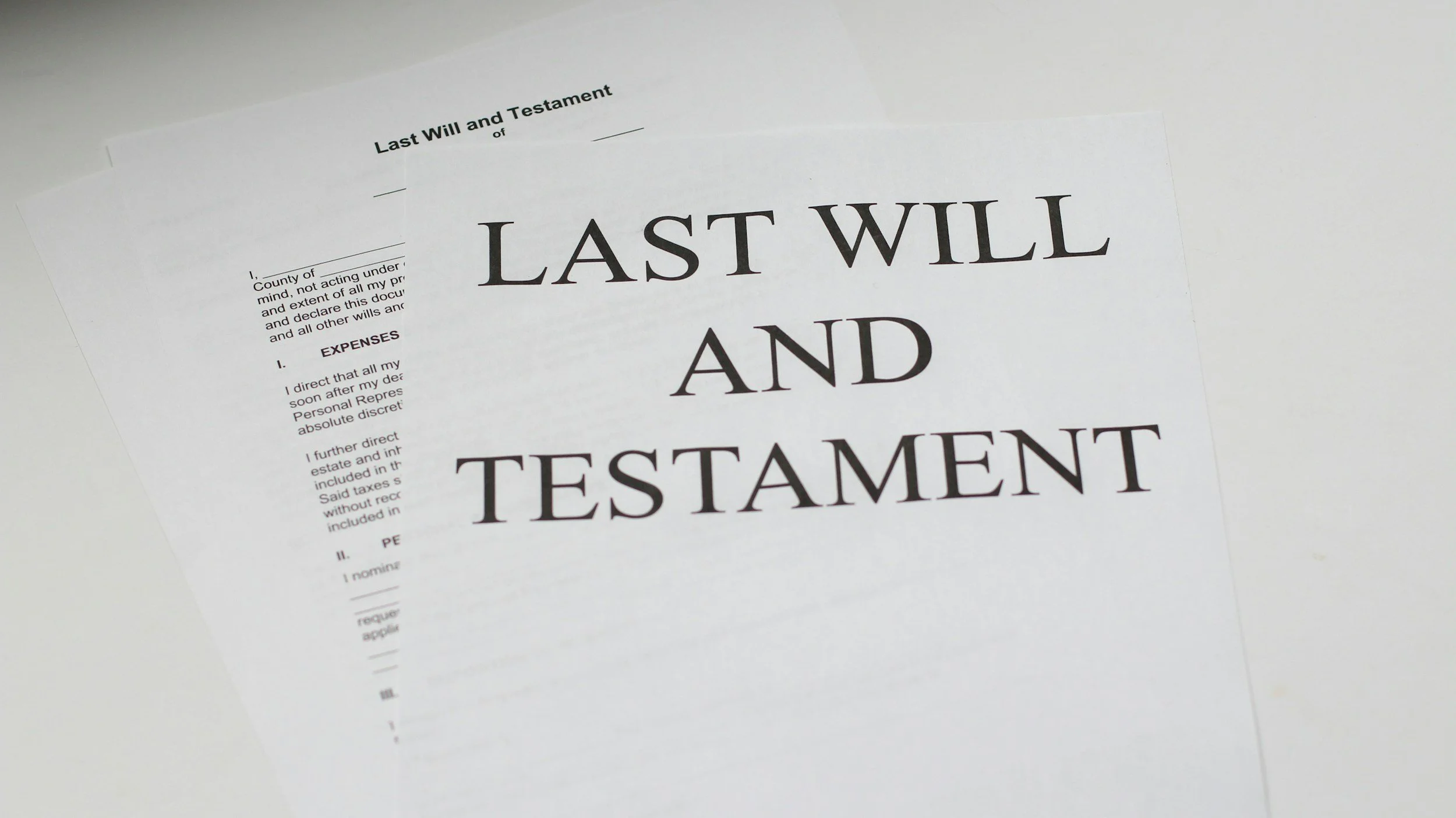
Estate and Probate Appraisal Near Me: The Valuation Mistake That Causes Executor Disputes
Many probate conflicts start with one question: what is the property actually worth? Executors who rely on guesses or automated estimates risk legal challenges and family disputes. Learn how estate appraisers determine fair market value and why probate valuations matter for estate administration.
What Executors, Administrators, and Probate Heirs Need to Know About Estate Appraisals
If you’ve been named the executor or administrator of an estate, one of the first responsibilities you’ll face is determining the fair market value of the property owned by the deceased.
This process is called a probate or date-of-death real estate appraisal, and it plays a critical role in estate administration.
Fail to get the valuation right, and the consequences can include:
IRS scrutiny
Disputes among heirs
Incorrect tax filings
Legal challenges in probate court
Understanding how the process works helps protect both the estate and your personal liability as executor.
Below is a practical breakdown of what you need to know.
1. What an Estate or Probate Appraiser Actually Does
A probate real estate appraiser provides an independent valuation of property as of a specific historical date, usually the date of death.
This valuation establishes the fair market value used for:
Probate court documentation
Estate tax calculations
Step-up in cost basis for heirs
Equitable distribution among beneficiaries
Unlike a typical pre-listing appraisal, probate valuations require historical market analysis to determine what the property would have sold for on the exact valuation date.
This often involves:
Reviewing historical MLS data
Identifying comparable sales from the same timeframe
Adjusting for property condition and market conditions at that time
Producing a detailed appraisal report suitable for court or tax documentation
The result is a defensible valuation that can withstand review by attorneys, CPAs, the IRS, or probate court.
2. When a Probate Appraisal Is Required
Not every estate requires a real estate appraisal, but many do.
Executors typically need a probate appraisal when:
1️⃣ Filing estate tax returns
Large estates may require filing IRS Form 706, which demands accurate asset valuation.
Real estate is often the largest asset in the estate, making a credible appraisal essential.
2️⃣ Dividing property among heirs
When multiple heirs inherit a property, determining its value is necessary to ensure fair distribution.
Example:
One heir wants to keep the house
Others want their share in cash
An appraisal determines the buyout amount.
3️⃣ Selling estate property
If the estate plans to sell the home, the executor must demonstrate they acted in the best financial interest of the estate.
A professional appraisal provides documentation supporting the listing price.
4️⃣ Resolving disputes
Family disagreements often arise around property value.
A neutral appraisal helps prevent or resolve conflicts before they escalate into legal disputes.
3. The Step-by-Step Probate Appraisal Process
Understanding the process helps executors know what to expect.
Step 1: Initial consultation
The appraiser gathers information about:
Property address
Date of death
Intended use of the appraisal (probate, tax filing, distribution)
Step 2: Property inspection
A physical inspection documents:
Condition of the property
Size and features
Improvements or deferred maintenance
Step 3: Historical market research
Because probate valuations require date-specific values, the appraiser researches sales from the same timeframe.
This includes:
Comparable sales near the valuation date
Market conditions at that time
Adjustments for property differences
Step 4: Valuation analysis
The appraiser applies recognized valuation methods to determine fair market value.
Step 5: Formal appraisal report
The final report includes:
Comparable sales data
Market analysis
Photos and property details
Defensible valuation methodology
This document can be used by:
Probate attorneys
CPAs
Courts
IRS auditors
4. Why Executors Should Avoid Online Estimates
Many executors initially look at automated tools like Zillow estimates.
However, automated estimates are not reliable for probate purposes.
They:
Do not analyze historical valuation dates
Cannot account for property condition
Are not accepted by courts or the IRS
Often vary dramatically from actual market value
Executors who rely on these estimates risk filing incorrect tax values or triggering disputes among heirs.
A licensed real estate appraisal provides the objective documentation required for legal and tax purposes.
5. How to Choose the Right Estate Appraiser
Not all real estate appraisers specialize in probate work.
Executors should look for an appraiser who:
Has experience with date-of-death valuations
Understands probate and estate reporting requirements
Produces court-ready appraisal reports
Works independently without conflicts of interest
An experienced probate appraiser understands the legal importance of documentation, defensibility, and historical market analysis.
The Key Takeaway for Executors and Probate Heirs
Handling an estate already involves legal responsibilities, deadlines, and emotional family dynamics.
A professional probate appraisal helps eliminate one major source of uncertainty.
It provides:
A defensible property value for court and tax filings
Documentation that protects the executor’s decisions
A clear basis for dividing assets among heirs
Confidence that the estate is being handled properly
When done correctly, an estate appraisal prevents disputes, protects the estate from tax errors, and ensures fair treatment for every beneficiary.
Schedule a Probate Appraisal Consultation
If you're an executor, administrator, or probate heir responsible for property in an estate, getting the valuation right early in the process can prevent costly complications later.
Probate assignments require careful documentation and historical market research, and appraisal availability can become limited during busy probate and tax filing periods.
To maintain report quality and court-ready documentation, we limit the number of probate appraisal assignments accepted each month.
Executors who schedule early receive:
Priority scheduling
Preliminary scope review of the property
Guidance on the documentation needed for probate or estate planning
If you need an independent estate or probate appraisal in the Atlanta area, request a consultation today to discuss the property and timeline before the next probate filing window.
Early planning helps ensure the estate is handled accurately, fairly, and with the documentation required for court and tax purposes.
Call Today At : 404-692-3878 or Email Us At: reivaluations@gmail.com
March 6th 2026 7:01pm