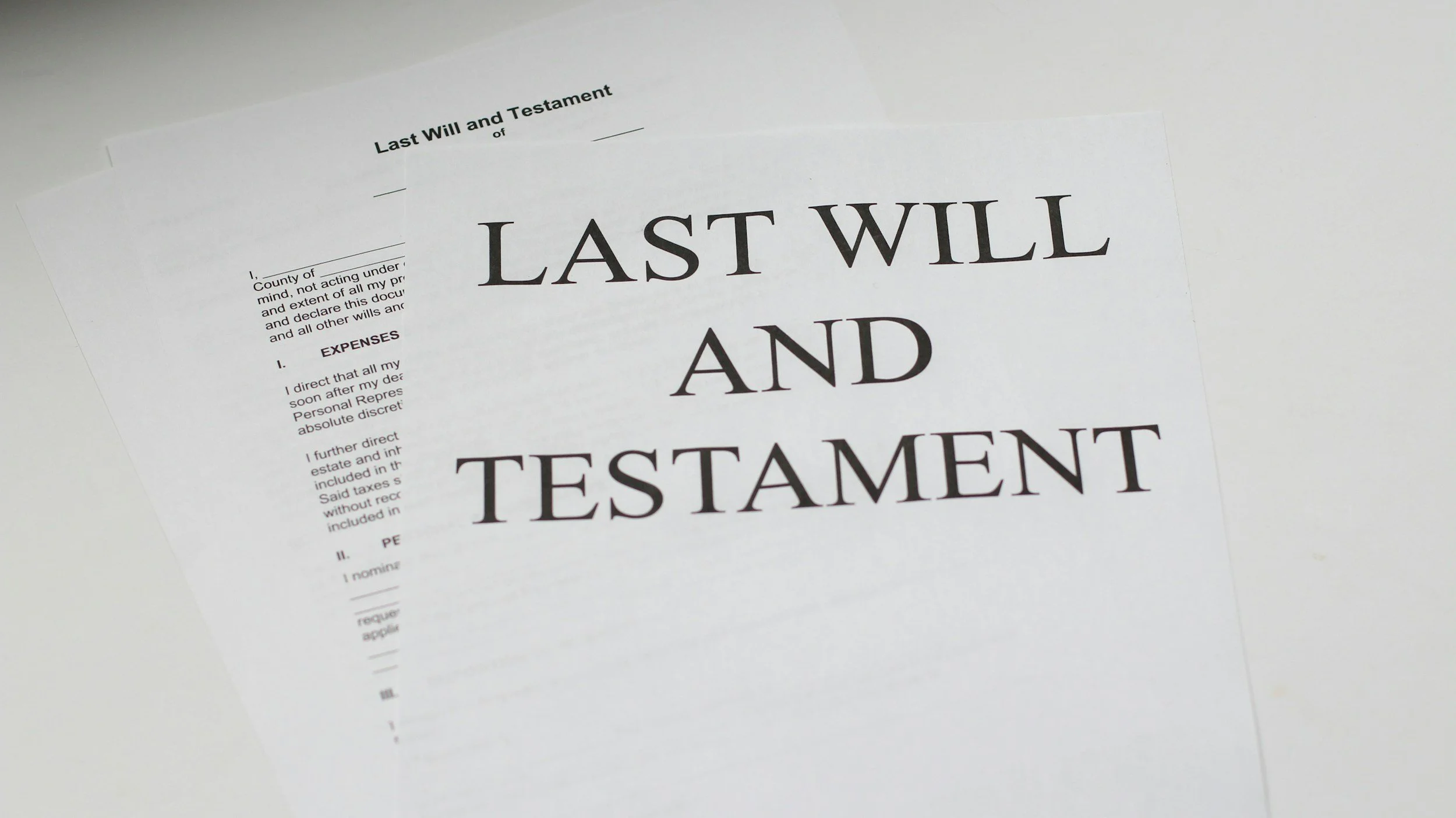
Do You Need an Appraisal for Probate in Georgia? Estate Valuation Rules Executors Should Know (2026)
When real estate enters probate, the value assigned to the property becomes the foundation for estate taxes, asset distribution, and IRS filings. In Georgia probate cases, using the wrong valuation—or relying on informal estimates—can trigger disputes between heirs or scrutiny during IRS Form 706 filings. Before the estate moves forward, here’s what executors and probate attorneys should understand.
7 Costly Mistakes That Happen When Real Estate in an Estate Isn’t Properly Appraised
When someone passes away, the property they owned doesn’t just transfer quietly.
It enters a legal, tax, and documentation system where mistakes can cost families — and attorneys — thousands of dollars, months of delay, and sometimes IRS scrutiny.
Most probate heirs and executors don’t realize these risks until after filings have already been made.
Here are the most common problems we see when a **proper estate appraisal isn’t completed early in the process.
1. The Wrong Date of Death Value Is Used
For estate filings, the value of the property must reflect its fair market value on the exact date of death.
Not today’s value.
Not the value when the property eventually sells.
Using the wrong valuation date can cause:
Incorrect estate tax calculations
IRS challenges on Form 706 or Form 709 filings
Legal disputes between heirs
A qualified date-of-death appraisal prevents this problem before it starts.
2. The IRS Questions the Valuation
When estates are large enough to trigger IRS Form 706 filings, the valuation must withstand federal scrutiny.
Generic estimates like:
Realtor opinions
Online price estimates
Automated valuation tools
rarely meet IRS documentation standards.
If the IRS disputes the value, it can lead to:
Refiling requirements
Tax penalties
Legal review of the estate
An independent appraisal provides court-defensible documentation.
3. Family Members Disagree on Property Value
Probate often brings together multiple heirs who may:
Want to sell the property
Keep the property
Buy out another heir
Without an independent valuation, disagreements can escalate quickly.
A neutral appraisal creates a single defensible number everyone can reference.
This helps protect:
Executors
Administrators
Attorneys overseeing the estate
4. Capital Gains Taxes Are Miscalculated
Many heirs don’t realize the date-of-death appraisal becomes the new tax basis for inherited real estate.
If the value is wrong, it can dramatically affect:
Capital gains taxes when the property sells
Estate planning strategies
Future tax liability
A proper estate appraisal protects heirs from overpaying taxes later.
5. The Probate Process Gets Delayed
Courts often require documentation supporting the value of estate assets.
Without a certified appraisal:
Filings can be delayed
Attorneys may request additional documentation
Probate timelines can extend for months
An appraisal early in the process keeps the estate moving forward.
6. Attorneys Face Documentation Risk
Probate attorneys often rely on valuation data when preparing:
Estate filings
Tax documentation
Asset distribution plans
Weak valuation documentation can expose attorneys to:
Client disputes
Court challenges
Professional liability concerns
This is why many attorneys prefer independent estate appraisals from certified professionals.
7. Executors Carry the Legal Responsibility
Executors and administrators are responsible for accurately reporting estate values.
If those values are incorrect, they can be personally questioned by:
Courts
Tax authorities
Beneficiaries
A certified probate appraisal protects the executor by providing objective documentation.
The Bottom Line: Why Estate Appraisals Matter in Probate
When real estate is involved in an estate, the valuation isn’t just about knowing what a property might sell for.
It determines:
Estate tax exposure
IRS Form 706 and 709 filings
Capital gains tax basis
Fair asset distribution between heirs
Legal protection for executors and attorneys
Without a properly documented appraisal, small valuation mistakes can create large financial consequences.
A certified date-of-death or probate appraisal provides the defensible documentation needed for courts, attorneys, and tax filings.
Schedule an Estate Appraisal Consultation
If you’re an executor, probate heir, or attorney managing an estate, getting the valuation right the first time can prevent costly problems later.
Our estate appraisal process provides:
✔ IRS-compliant Date of Death Appraisals
✔ Support for IRS Form 706 and Form 709 filings
✔ Independent valuations for probate and estate distribution
✔ Court-ready documentation when required
Because estate cases require detailed documentation, we limit the number of complex estate assignments accepted each month.
Executors and attorneys who schedule early receive:
Bonus:
A preliminary property scope review to determine the correct valuation approach for your filing requirements.
📞 Schedule your Estate Appraisal Consultation today
or request a consultation through our website.
Getting the right valuation now can protect the estate, the heirs, and the professionals responsible for the filing.
Call at 404-692-3878 or Email Us at: reivaluations@gmail.com
March 15th 2026 6:37pm

Probate Real Estate Appraisal in Atlanta: The 7 Steps Executors Must Follow in 2026
Executors and administrators managing inherited property in Metro Atlanta often discover that probate valuation mistakes happen early—long before the property is sold. A wrong valuation date, poor comparable sales, or an informal estimate can create disputes between heirs or challenges during probate filings. Understanding the correct appraisal process protects the estate.
Step-by-Step: How Estate & Probate Real Estate Appraisals Work in Georgia
Step 1 — Identify the Correct Valuation Date
The first step in any estate or probate appraisal is determining the legally required valuation date.
For most estates in Georgia probate courts, the value must reflect the property’s fair market value as of the date of death.
Real estate markets change quickly.
Courts require the value tied to a specific legal moment.
Incorrect dates can create disputes between heirs or trigger tax complications.
Executors who skip this step often end up with reports that cannot be used for probate filings or tax documentation.
Step 2 — Gather Property and Estate Documentation
Before the appraisal begins, the appraiser collects relevant records to establish the property’s legal and physical characteristics.
Property address and parcel information
Estate or probate court documentation
Previous deeds or ownership records
Renovation history
HOA or property restrictions
For executors and administrators, organizing these documents early speeds up the valuation process and prevents delays during probate.
Step 3 — Conduct a Property Inspection
The appraiser performs an inspection of the property to document:
Square footage
Layout and functional design
Condition and maintenance
Improvements or upgrades
Location factors affecting value
In probate situations, inspections may occur when a property is:
Vacant
Occupied by heirs
Being prepared for sale
The goal is to capture the true condition of the home at the time relevant to the valuation date.
Step 4 — Analyze Comparable Market Sales
After inspection, the appraiser studies comparable sales (“comps”) from the surrounding area.
Recent property sales near the subject property
Similar property size, age, and condition
Market trends leading up to the valuation date
For probate appraisals, comparable sales must align with the historical market conditions on the valuation date, not just current market prices.
This step is critical for establishing a defensible fair market value.
Step 5 — Apply Professional Valuation Methodology
The appraiser applies recognized valuation methods used in estate and probate matters.
Sales comparison analysis
Market condition adjustments
Property condition adjustments
Neighborhood and location influences
The goal is to produce a value that would withstand scrutiny from:
Probate courts
Estate attorneys
Accountants
The IRS (when applicable)
Step 6 — Prepare the Estate or Probate Appraisal Report
Once the analysis is complete, the appraiser prepares a formal written report documenting:
Property description
Market research and comparable sales
Valuation methodology
Final fair market value conclusion
This report becomes part of the estate documentation and may be used for:
Probate court filings
Estate tax reporting
Asset distribution among heirs
Future property sale decisions
Step 7 — Deliver the Valuation for Probate and Estate Planning Use
The final appraisal is delivered to the executor, administrator, attorney, or estate representative.
This valuation helps resolve several critical estate issues:
Determining the value of inherited property
Establishing equitable distribution among heirs
Supporting estate tax filings when required
Setting a fair listing price if the property will be sold
For many families, this step brings clarity to an otherwise uncertain process.
Why a Professional Probate Appraisal Matters for Estates in Atlanta
Handling an estate property can quickly become complicated for heirs, executors, and administrators.
A professionally prepared probate or estate appraisalprovides the documentation needed to move forward with confidence.
A credible valuation helps you:
Avoid disputes between family members
Meet probate court documentation requirements
Establish defensible values for estate tax purposes
Make informed decisions about selling inherited property
In a growing market like Atlanta and the surrounding counties, property values can shift quickly.
That’s why estate representatives often need current, local valuation expertise that reflects both:
Market proximity to the property
Recent market conditions and comparable sales
Request an Estate & Probate Appraisal Consultation
If you are an executor, administrator, or probate heir managing estate property in the Atlanta area, getting an accurate valuation early can prevent costly mistakes later.
We provide estate and probate appraisal services for properties throughout Metro Atlanta and surrounding counties.
To maintain report quality and court-ready documentation, we limit the number of estate assignments accepted each month.
Scheduling early provides two advantages:
Priority scheduling for probate timelines
A preliminary scope review to confirm the correct valuation date before the appraisal begins
Request your consultation today to begin the process of establishing a clear, defensible value for the property involved in the estate.
Call at: 404-692-3878 or Email at: reivaluations@gmail.com
March 13th 2026 9:59pm

Estate Appraisal for Probate in Georgia: The Costly Mistake Many Executors Discover Too Late…
Many families searching “estate appraisal near me” or “probate appraiser Atlanta GA” only discover the importance of a proper valuation after disputes, tax questions, or court filings begin. A defensible real estate appraisal protects executors, heirs, and attorneys from costly mistakes. Here’s what an estate appraisal is, when probate requires one, and how the process works.
How an Estate or Probate Appraisal Works (Step-by-Step)
If you’re searching for “estate appraisal near me,” “probate appraisal,” or “real estate appraiser for probate in Atlanta, GA,” you’re likely dealing with a time-sensitive legal or financial situation.
Executors, heirs, attorneys, and families often ask the same questions:
Do we need an appraisal for probate?
What does an estate appraiser actually do?
How long does the process take?
Here’s exactly how the process typically works.
1. Determine the Required Valuation Date
Every estate appraisal begins with identifying the correct effective date of value.
In probate and estate cases, that date is usually:
Date of Death (DOD) for estate tax or probate filings
Occasionally a retrospective valuation date requested by attorneys, CPAs, or courts
This matters because the real estate market may have been very different on that date.
A professional estate appraiser reconstructs market conditions that existed at that specific time, not today’s prices.
2. Collect Property Data and Legal Information
Next, the appraiser gathers information about the property and ownership records.
This may include:
County property records
Previous sales history
MLS data
Zoning and land use information
Property characteristics and improvements
If the property still exists in similar condition, the appraiser may perform a physical inspection.
For retrospective valuations, the appraiser may rely on historical data and prior records.
3. Analyze Comparable Sales from the Correct Time Period
A probate appraisal is not based on guesswork or automated estimates.
The appraiser researches comparable sales that occurred near the valuation date, adjusting for:
Location differences
Size and square footage
Lot size
Condition
Upgrades or improvements
Market trends at the time
This step is where professional judgment and experience matter most.
4. Reconstruct the Historical Real Estate Market
When the appraisal date is in the past (which is common for estates), the appraiser must analyze:
Historical sales trends
Market conditions at the time
Inventory levels
buyer demand
This is called a retrospective appraisal and is commonly required for probate, estate tax filings, and IRS documentation.
5. Prepare a Court-Ready Appraisal Report
Once the analysis is complete, the appraiser prepares a formal report that includes:
Property description
Market analysis
Comparable sales grid
Valuation methodology
Final opinion of value
This report may be used for:
Probate court filings
Estate settlement
IRS Form 706 estate tax filings
Heir distributions
Asset liquidation decisions
The appraisal must meet professional appraisal standards and be defensible if reviewed by attorneys, CPAs, or the court.
6. Deliver the Final Value for Probate or Estate Purposes
The final step is delivering the completed report to the client or attorney handling the estate.
That value becomes the official documented real estate value for the estate.
It may be used to:
Calculate estate taxes
Divide assets among heirs
Support court filings
Establish a tax basis for future sale of the property
What an Estate or Probate Appraisal Really Protects
At first glance, an estate appraisal may seem like just another formality.
But the truth is this:
A properly documented valuation protects everyone involved.
It protects:
Executors from accusations of undervaluing or overvaluing property
Heirs from disputes over asset distribution
Attorneys and CPAs from IRS scrutiny
Families from conflicts during an already stressful process
Without a credible appraisal, estates can face:
IRS challenges
disputes among heirs
delays in probate court
costly tax consequences
A qualified independent estate appraiser ensures the valuation is defensible, documented, and legally credible.
As direct-response legend Dan Kennedy emphasized, persuasive business communication must be grounded in clear understanding of the customer and the offer to create effective results.
That principle applies here as well: when families understand the purpose and process of an estate appraisal, they make better decisions during probate.
Schedule an Estate Appraisal Consultation
If you're dealing with probate, estate settlement, or a date-of-death property valuation, the next step is to determine whether an appraisal is required for your situation.
We offer a no-obligation Appraisal Fit Call where we review:
Your probate timeline
The property involved
Whether a retrospective or current appraisal is required
Estimated turnaround time
Because estate cases require detailed documentation and historical research, only a limited number of assignments can be accepted each month.
Early consultations receive:
Priority scheduling
Preliminary scope review
Guidance on what the court or IRS may require
Schedule your consultation before your filing deadline approaches.
Call 404-692-3878
or request your consultation at https://www.rei-valuations.com/estate-probate-appraisals-atlanta
March 10th 2026 8:11pm

Atlanta Probate Warning: The Property Valuation Decision That Can Protect—or Expose—an Estate
Most families searching for an estate or probate appraiser near me in Atlanta GA assume the process is simple: determine the home value and move forward. But probate property valuations often require documentation that can withstand legal scrutiny. If the valuation date, report format, or methodology is wrong, estate filings may face delays, disputes, or challenges during probate.
7 Things an Estate & Probate Appraiser Actually Does (Most Executors Don’t Realize)
When someone searches “probate appraiser near me” or “estate appraiser Atlanta GA”, they usually assume the job is simple:
“Just tell us what the house is worth.”
In reality, a qualified probate real estate appraiser performs a much more structured role — especially when the valuation may face court review, IRS scrutiny, or family disputes.
Here are the core responsibilities.
1. Establish the Correct Date of Value
Probate appraisals rarely use today’s market value.
Most estates require valuation based on the date of death.
This means the appraiser must:
reconstruct historical market conditions
locate comparable sales from that time
analyze market trends before and after the date
If this step is wrong, tax calculations and asset distribution can be challenged later.
2. Produce Court-Defensible Documentation
A true probate appraisal isn’t a quick price estimate.
The report must include:
certified appraisal methodology
comparable sales analysis
property condition adjustments
supporting market data
Why this matters:
Attorneys, CPAs, and probate courts may rely on this report to settle estate distribution and tax filings.
Weak documentation creates risk.
3. Identify Property Factors That Affect Estate Value
An estate appraiser evaluates:
property condition
deferred maintenance
renovations or lack thereof
neighborhood market trends
zoning considerations
Even small details can influence valuation by tens of thousands of dollars.
4. Prevent Disputes Between Heirs
One of the hidden benefits of a professional probate appraisal:
Neutral third-party valuation.
Without it:
heirs may argue over property value
buyouts become difficult
accusations of favoritism can arise
An independent report protects the executor from these conflicts.
5. Support Estate Tax and Financial Reporting
Depending on the estate size, the appraisal may be used for:
estate tax filings
financial accounting of assets
asset distribution between heirs
Accuracy here is critical.
Incorrect valuations can trigger IRS review or amended filings later.
6. Help Executors Make Confident Decisions
Once the appraisal is complete, executors gain clarity on:
fair property value
potential listing price
buyout arrangements between heirs
estate asset allocation
Without a reliable valuation, every decision becomes guesswork.
7. Protect the Executor From Legal Liability
Most executors don’t realize something important:
When you sign probate filings, you are legally responsible for the accuracy of estate values.
That means if the property value is later questioned by:
heirs
attorneys
the probate court
or the IRS
the executor may be required to explain how that number was determined.
A certified probate appraisal provides documentation that shows:
the valuation methodology
comparable sales used
market conditions at the valuation date
the reasoning behind the final value
This documentation protects the executor by showing the valuation came from an independent, qualified professional rather than a guess or informal estimate.
In many estates, this protection becomes just as important as the valuation itself.
The Bottom Line: Why Probate Appraisals Matter More Than Most Families Expect
When families search for an estate or probate appraiser in Atlanta, they usually believe they’re solving a simple problem:
“Find the home value.”
But the real purpose of a probate appraisal is protection.
Protection from:
tax errors
legal disputes
family conflicts
inaccurate asset reporting
A properly documented appraisal provides certainty during one of the most complicated financial moments a family faces.
And that certainty is what allows executors, attorneys, and heirs to move forward without unnecessary risk.
If you are:
an executor handling an estate
an attorney managing probate
or a family member responsible for property decisions
the next step is simple.
Schedule a Probate Appraisal Fit Call to determine:
whether a probate appraisal is required
the correct valuation date
what documentation the court may expect
Because probate timelines are real, and valuation mistakes discovered later can delay the entire process.
To maintain court-ready documentation and report accuracy, only a limited number of complex estate assignments are accepted each month.
Early consultations receive:
priority scheduling
initial case review
guidance on valuation date requirements
Request your consultation today to secure availability before the next probate filing cycle begins.
Call Us at: 404-692-3878 Or Email Us at: reivaluations@gmail.com
March 8th 2026 10:00pm
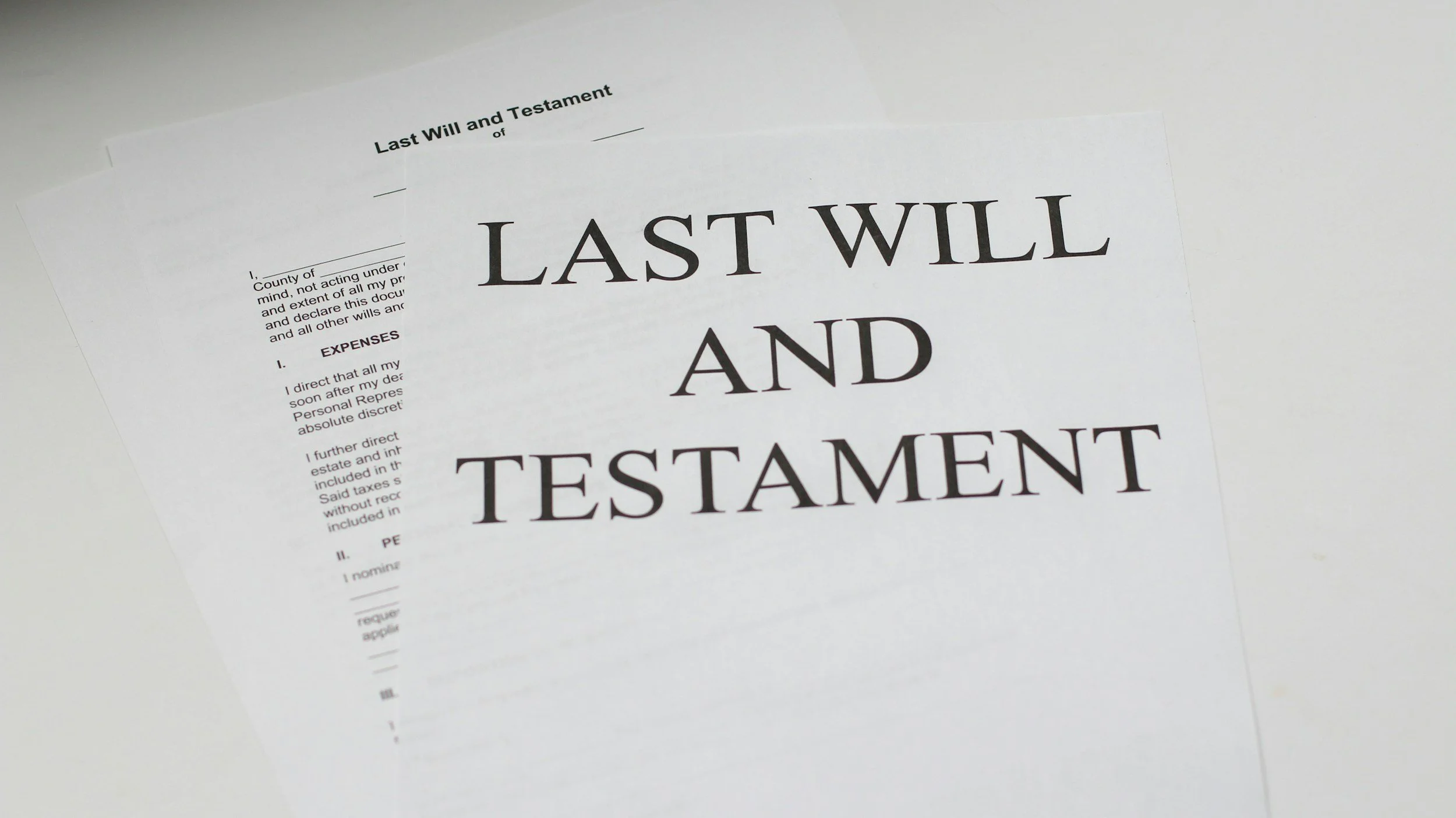
Estate and Probate Appraisal Near Me: The Valuation Mistake That Causes Executor Disputes
Many probate conflicts start with one question: what is the property actually worth? Executors who rely on guesses or automated estimates risk legal challenges and family disputes. Learn how estate appraisers determine fair market value and why probate valuations matter for estate administration.
What Executors, Administrators, and Probate Heirs Need to Know About Estate Appraisals
If you’ve been named the executor or administrator of an estate, one of the first responsibilities you’ll face is determining the fair market value of the property owned by the deceased.
This process is called a probate or date-of-death real estate appraisal, and it plays a critical role in estate administration.
Fail to get the valuation right, and the consequences can include:
IRS scrutiny
Disputes among heirs
Incorrect tax filings
Legal challenges in probate court
Understanding how the process works helps protect both the estate and your personal liability as executor.
Below is a practical breakdown of what you need to know.
1. What an Estate or Probate Appraiser Actually Does
A probate real estate appraiser provides an independent valuation of property as of a specific historical date, usually the date of death.
This valuation establishes the fair market value used for:
Probate court documentation
Estate tax calculations
Step-up in cost basis for heirs
Equitable distribution among beneficiaries
Unlike a typical pre-listing appraisal, probate valuations require historical market analysis to determine what the property would have sold for on the exact valuation date.
This often involves:
Reviewing historical MLS data
Identifying comparable sales from the same timeframe
Adjusting for property condition and market conditions at that time
Producing a detailed appraisal report suitable for court or tax documentation
The result is a defensible valuation that can withstand review by attorneys, CPAs, the IRS, or probate court.
2. When a Probate Appraisal Is Required
Not every estate requires a real estate appraisal, but many do.
Executors typically need a probate appraisal when:
1️⃣ Filing estate tax returns
Large estates may require filing IRS Form 706, which demands accurate asset valuation.
Real estate is often the largest asset in the estate, making a credible appraisal essential.
2️⃣ Dividing property among heirs
When multiple heirs inherit a property, determining its value is necessary to ensure fair distribution.
Example:
One heir wants to keep the house
Others want their share in cash
An appraisal determines the buyout amount.
3️⃣ Selling estate property
If the estate plans to sell the home, the executor must demonstrate they acted in the best financial interest of the estate.
A professional appraisal provides documentation supporting the listing price.
4️⃣ Resolving disputes
Family disagreements often arise around property value.
A neutral appraisal helps prevent or resolve conflicts before they escalate into legal disputes.
3. The Step-by-Step Probate Appraisal Process
Understanding the process helps executors know what to expect.
Step 1: Initial consultation
The appraiser gathers information about:
Property address
Date of death
Intended use of the appraisal (probate, tax filing, distribution)
Step 2: Property inspection
A physical inspection documents:
Condition of the property
Size and features
Improvements or deferred maintenance
Step 3: Historical market research
Because probate valuations require date-specific values, the appraiser researches sales from the same timeframe.
This includes:
Comparable sales near the valuation date
Market conditions at that time
Adjustments for property differences
Step 4: Valuation analysis
The appraiser applies recognized valuation methods to determine fair market value.
Step 5: Formal appraisal report
The final report includes:
Comparable sales data
Market analysis
Photos and property details
Defensible valuation methodology
This document can be used by:
Probate attorneys
CPAs
Courts
IRS auditors
4. Why Executors Should Avoid Online Estimates
Many executors initially look at automated tools like Zillow estimates.
However, automated estimates are not reliable for probate purposes.
They:
Do not analyze historical valuation dates
Cannot account for property condition
Are not accepted by courts or the IRS
Often vary dramatically from actual market value
Executors who rely on these estimates risk filing incorrect tax values or triggering disputes among heirs.
A licensed real estate appraisal provides the objective documentation required for legal and tax purposes.
5. How to Choose the Right Estate Appraiser
Not all real estate appraisers specialize in probate work.
Executors should look for an appraiser who:
Has experience with date-of-death valuations
Understands probate and estate reporting requirements
Produces court-ready appraisal reports
Works independently without conflicts of interest
An experienced probate appraiser understands the legal importance of documentation, defensibility, and historical market analysis.
The Key Takeaway for Executors and Probate Heirs
Handling an estate already involves legal responsibilities, deadlines, and emotional family dynamics.
A professional probate appraisal helps eliminate one major source of uncertainty.
It provides:
A defensible property value for court and tax filings
Documentation that protects the executor’s decisions
A clear basis for dividing assets among heirs
Confidence that the estate is being handled properly
When done correctly, an estate appraisal prevents disputes, protects the estate from tax errors, and ensures fair treatment for every beneficiary.
Schedule a Probate Appraisal Consultation
If you're an executor, administrator, or probate heir responsible for property in an estate, getting the valuation right early in the process can prevent costly complications later.
Probate assignments require careful documentation and historical market research, and appraisal availability can become limited during busy probate and tax filing periods.
To maintain report quality and court-ready documentation, we limit the number of probate appraisal assignments accepted each month.
Executors who schedule early receive:
Priority scheduling
Preliminary scope review of the property
Guidance on the documentation needed for probate or estate planning
If you need an independent estate or probate appraisal in the Atlanta area, request a consultation today to discuss the property and timeline before the next probate filing window.
Early planning helps ensure the estate is handled accurately, fairly, and with the documentation required for court and tax purposes.
Call Today At : 404-692-3878 or Email Us At: reivaluations@gmail.com
March 6th 2026 7:01pm

Atlanta Executors: Read This Before You File Probate Value in 2026…
If you’re signing an estate inventory in Georgia, that number becomes the record your CPA relies on, your attorney defends, and your heirs may question. In today’s shifting Atlanta market, a weak date-of-death valuation doesn’t hurt immediately — it surfaces at sale, audit, or dispute. Secure an independent probate appraisal before your decision becomes permanent.
What an Estate Appraiser Does — And Whether You Actually Need One
If you’re a probate heir, executor, CPA, or probate attorney in Georgia, you’re facing a decision that carries legal, financial, and family consequences.
You’re not just ordering a valuation.
You’re protecting an estate.
You’re protecting yourself.
And in many cases — you’re protecting your professional reputation.
This guide will clarify:
What an estate and probate appraiser actually does
Whether an appraisal is required for probate in Georgia
When you need a date of death appraisal
How to choose the right independent appraiser in Atlanta
And how to avoid the valuation mistakes that create IRS exposure, court disputes, and family conflict
What Does an Estate & Probate Appraiser Do?
An estate and probate appraiser provides a court-defensible opinion of value for real property as of a specific date — typically the date of death.
But that’s the surface answer.
Here’s what that really means in practice:
1️⃣ Determines Fair Market Value (FMV) as of Date of Death
Not today’s value.
Not a tax-assessor estimate.
Not a Zillow guess.
The IRS definition of fair market value is precise — and your appraisal must meet that standard.
2️⃣ Produces a Legally Defensible Report
For:
Probate court filings
Estate tax returns (IRS Form 706)
CPA documentation
Attorney review
Potential litigation
3️⃣ Documents Market Conditions at the Exact Date
Market shifts matter.
Interest rates matter.
Neighborhood trends matter.
A 6-month difference can mean tens of thousands of dollars.
4️⃣ Protects Executors from Liability
Executors have fiduciary responsibility.
If the property is undervalued → heirs may claim negligence.
If it’s overvalued → tax consequences may follow.
Is an Appraisal Required for Probate in Georgia?
Short answer: In most estates involving real property — yes.
But here’s where nuance matters.
When an Appraisal Is Typically Required:
The estate includes real estate
The property must be sold
Multiple heirs are involved
The estate may trigger federal estate tax thresholds
The CPA requires documentation for filing
A probate attorney anticipates potential disputes
When Skipping the Appraisal Creates Risk:
Family disagreements over value
IRS scrutiny
Improper basis calculation for heirs
Capital gains miscalculations
Challenges during distribution
The cost of an appraisal is minor compared to the financial consequences of getting valuation wrong.
Why Date of Death Value Is So Important
A probate appraisal is not about today.
It’s about value on the exact date of death.
Why?
Because that value determines:
The stepped-up basis for heirs
Potential estate tax exposure
Fair distribution among beneficiaries
Sale price expectations
IRS compliance
If the valuation is wrong, the consequences don’t show up immediately.
They show up later — during tax filing, sale, or audit.
And by then, correction becomes expensive.
Step-By-Step: The Estate Appraisal Process
Here’s what working with an experienced probate appraiser should look like:
Step 1: Initial Consultation
We confirm:
Date of death
Property details
Probate timeline
Intended use of appraisal
Step 2: Property Inspection
On-site documentation of condition, features, and deferred maintenance.
Step 3: Historical Market Analysis
We reconstruct:
Comparable sales prior to date of death
Market trends at that time
Economic conditions
Step 4: Valuation Development
Application of appropriate valuation approaches.
Step 5: Delivery of Court-Ready Report
Delivered in compliance with USPAP standards and formatted for probate and tax use.
Step 6: Ongoing Support
CPA clarification
Attorney review
Court questions
IRS follow-up
This is not just a document.
It’s protection.
Why Professionals Refer to Independent Probate Appraisers
CPAs and probate attorneys consistently refer independent appraisers because:
The report stands alone
The documentation survives scrutiny
The valuation is objective
The liability shifts appropriately
In estate work, certainty is currency.
Schedule a Probate Appraisal Consultation (Atlanta, GA)
An executor seeking protection
A probate heir wanting clarity
A CPA preparing estate filings
A probate attorney building a defensible file
Now is the time to secure a properly supported estate valuation.
Schedule your Probate Appraisal Consultation today before your filing window closes.
Priority scheduling
Preliminary scope review
Timeline confirmation for court or tax deadlines
Call: 404-692-3878
Or request your consultation at https://www.rei-valuations.com/estate-probate-appraisals-atlanta
When valuation matters, documentation must withstand scrutiny.
February 28th 2026 4:37pm

Executors, Probate Heirs & Estate Planners in Atlanta (2026): Read This Before You File the Estate Valuation
For executors, probate heirs, and estate planning families in Atlanta facing a date-of-death valuation. What you file today determines tax exposure, fiduciary liability, and family conflict tomorrow. Before probate court or the IRS questions your number, understand what a defensible estate appraisal requires — and when it’s legally critical.
If You're Settling an Estate in Atlanta, Read This Before You File Anything
If you’re a probate heir, executor, or estate planning consumer in Atlanta, you are likely facing a valuation decision that feels administrative…
But isn’t.
Because what you file — and when you file it — determines:
Tax exposure
Family conflict
Legal scrutiny
And whether someone later claims the value was wrong
Most estate problems don’t start in court.
They start with a number.
And that number is the appraisal.
What Does an Estate & Probate Appraiser Actually Do?
An estate and probate appraiser determines the fair market value of real property as of a specific date — typically:
Date of death
Alternate valuation date
Trust funding date
Estate planning transfer date
But here’s what separates a routine appraisal from a probate-ready valuation:
A true probate valuation must withstand:
Court review
IRS examination
Attorney scrutiny
Heir disputes
Opposing expert analysis
That requires more than pulling comps.
It requires defensible methodology, documented adjustments, and valuation logic that survives cross-examination.
Is an Appraisal Required for Probate in Georgia?
Short answer: Not always required. Often critical.
In Atlanta and surrounding Georgia counties, a formal appraisal may be necessary when:
Real estate is part of the estate inventory
There are multiple heirs
There is potential estate tax exposure
The property will be sold
A buyout between heirs is occurring
The value may be contested
Even when not technically required by statute, attorneys frequently recommend an independent appraisal to:
Establish defensible value
Reduce fiduciary liability
Protect executors
Prevent disputes before they start
Because once a number is filed…
It becomes the reference point for everything else.
The Hidden Risk Most Executors Miss
“What if I sign off on the wrong value?”
“What if an heir challenges me later?”
Hidden Emotional Driver:
Control. Certainty. Protection.
Financial Consequence of Inaction:
Overpaying capital gains
Undervaluing and triggering IRS scrutiny
Selling below defensible value
Personal liability exposure
Legal Consequence of Inaction:
Breach of fiduciary duty claims
Probate court challenges
Heir litigation
A casual estimate is cheap.
Defending it later is not.
Why Valuation Before Death Matters
Trust transfers
Gifting strategies
Family buy-sell agreements
Wealth transition plans
A proactive estate appraisal can:
Lock in basis
Support documentation
Strengthen planning strategy
Reduce audit vulnerability
Estate planning is leverage.
But leverage without valuation precision is speculation.
Best Estate & Probate Appraiser in Atlanta, GA? Here’s What Actually Matters
When families search:
“Best estate and probate appraiser”
“Independent estate and probate appraiser near me”
“Estate appraiser near me”
“Real estate appraiser for probate”
What they should be asking is:
1. Is the appraisal independent?
No financial interest in sale outcome.
2. Is it date-specific?
Probate valuations are retrospective. That requires market reconstruction.
3. Is it court-defensible?
Can methodology survive legal scrutiny?
4. Is the documentation structured for attorneys and CPAs?
Because in estate work, credibility is currency.
The 7-Step Probate Valuation Process (Atlanta, GA)
Here’s how a structured estate and probate appraisal should work:
Initial Case Review – Identify valuation date, legal context, heirs involved
Property Inspection – Condition, deferred maintenance, upgrades
Market Reconstruction – Comparable sales as of valuation date
Adjustment Analysis – Supportable value logic
Risk Sensitivity Check – IRS and court defensibility review
Report Structuring – Written for legal review
Attorney Coordination (If Needed)
This structure protects:
Executors
Heirs
Estate planners
Attorneys
CPAs
Summary: What This Means for You
Whether you are:
An executor protecting your fiduciary duty
A probate heir seeking fairness
An estate planner structuring transfers
A family navigating transition
An independent, defensible estate and probate appraisal in Atlanta isn’t paperwork.
It’s protection.
Schedule Your Estate & Probate Appraisal Consultation
If you are settling an estate or planning one, do this correctly the first time.
We limit monthly probate assignments to maintain documentation quality and timeline integrity.
Early consultations receive:
Delaying valuation increases exposure — not clarity.
📞 Call: 404-692-3878
🌐 Request consultation at: https://www.rei-valuations.com/estate-probate-appraisals-atlanta
Secure the number before it secures you.
February 27th 2026 9:06pm

Probate Appraisal Near Me in Atlanta, GA (2026): Executors aren’t warned about this probate valuation risk.
In Atlanta probate cases, the estate valuation sets the financial foundation for everything that follows. Yet many executors rely on informal numbers that cannot survive court review or tax examination. The result? Delays, disputes, and avoidable risk. A defensible probate appraisal protects more than property — it protects you.
What Most Executors Don’t Realize Until It’s Too Late
If you’re an executor or probate heir in Georgia, you are about to make a financial decision that can either protect the estate… or quietly damage it.
Most families assume a “quick valuation” is enough.
It isn’t.
In probate, the wrong appraisal doesn’t just affect paperwork.
It affects:
And here’s the part nobody says clearly:
Not all estate appraisals are created equal.
What Does an Estate Appraiser Actually Do in Probate?
An estate and probate appraiser provides an independent, defensible valuation of real property as of a specific date — often the date of death.
But that simple sentence hides complexity.
A true probate valuation must:
This is not the same as a Zillow estimate.
This is not a broker opinion letter.
This is not a quick desktop valuation.
This is documentation that may sit in a court file for years.
Is an Appraisal Required for Probate in Georgia?
Technically? Not always.
Practically? Often, yes.
In Georgia probate, an accurate valuation is essential when:
Executors who try to “save money” with informal valuations often end up paying far more later — in tax consequences, legal delays, or intra-family conflict.
Estate and Probate Appraiser Near Me (Atlanta, GA)
If you’re searching:
You’re likely under pressure.
Probate timelines don’t wait.
Heirs are asking questions.
Attorneys need documentation.
What you need is not just proximity.
You need independence.
You need court-ready documentation.
You need someone who understands the legal gravity of probate in Georgia.
The Hidden Risk Most Executors Miss
When heirs disagree about value, who gets blamed?
The executor.
If the property is undervalued:
If the property is overvalued:
An independent, defensible probate valuation protects you.
It demonstrates:
That protection matters.
Premium vs “Quick & Cheap” Probate Appraisals
There are two types of appraisals in this space:
1. Transactional Valuations
Fast. Basic. Minimal narrative.
Often sufficient for private decisions.
Often insufficient for contested estates.
2. Court-Defensible Probate Valuations
Thorough market analysis.
Documented date-of-death conditions.
Carefully supported comparable selection.
Narrative explanation of methodology.
Prepared with the assumption it may be challenged.
If you are a probate heir or executor, which level protects you?
Premium positioning isn’t about price.
It’s about protection.
When Timing Matters More Than Price
They call after:
Heirs are already arguing
The property is already under contract
Attorneys are requesting urgent documentation
Tax filing deadlines are approaching
At that point, options narrow.
Quality appraisal work requires:
Market research
Verification
Proper analysis
Report preparation
Rushing increases risk.
Planning protects you.
How to Choose the Best Estate & Probate Appraiser in Atlanta
Do you regularly perform date-of-death valuations?
Have your reports been used in probate proceedings?
Can your valuation withstand IRS or court review?
Do you operate independently from real estate brokerage interests?
Do you limit monthly probate assignments to maintain quality?
Executors should be cautious of:
Automated valuation models
Broker price opinions
“Quick-turn” discount reports
Anyone unwilling to explain methodology
Your responsibility as executor demands more.
The Financial Consequences of Getting It Wrong
Let’s speak plainly.
A 5% valuation error on a $750,000 property is $37,500.
If multiple heirs are involved, that error multiplies into conflict.
If taxes are involved, it compounds into exposure.
The appraisal fee is small compared to the financial and legal implications of inaccuracy.
Atlanta Estate & Probate Appraisal (2026 Market Reality)
The Atlanta real estate market has experienced volatility in recent years.
Date-of-death valuations must reflect:
Market conditions at the relevant historical point
Comparable sales from the correct period
Property condition as of that date
Localized market behavior
Not current Zillow numbers.
Not today's asking prices.
Historical accuracy requires careful analysis.
If You Are an Executor Right Now…
Certainty
Protection
Fairness
Efficiency
Minimal conflict
An independent probate valuation provides all five.
It allows you to distribute assets with confidence.
It shows beneficiaries you acted responsibly.
It protects you from future disputes.
Schedule Your Probate Valuation Consultation
We limit the number of complex estate and probate assignments we accept each month to maintain court-ready quality and documentation integrity.
If you are an executor or estate heir in Atlanta, GA and need a defensible probate valuation:
Request a consultation today
Secure your position before filing deadlines approach
Receive a preliminary scope discussion at no additional cost
Delays reduce options.
Proper documentation protects you.
Contact us now to discuss your estate and probate appraisal needs in Atlanta.
Call: 404-692-3878
Email: reivaluations@gmail.com
February 23rd 2026 7:20pm

Atlanta Probate 2026: The Date of Death Appraisal Mistake That’s Quietly Costing Georgia Heirs Thousands
If You’re an Executor or Probate Heir in Atlanta…
And you’re responsible for valuing real estate for an estate…
What you file today determines:
The estate tax exposure
The IRS risk profile
The fairness of asset distribution
Whether your decisions get challenged later
Most families don’t realize this until it’s too late.
The Hidden Risk Inside a “Simple” Probate Appraisal
A date of death appraisal is not:
A Zillow estimate
A refinance-style lender report
A “quick valuation for paperwork”
It becomes part of the estate’s permanent legal record.
In counties like Fulton County Probate Court and Cobb County Probate Court, documentation doesn’t just get filed.
It gets reviewed.
Sometimes challenged.
Occasionally audited.
And once submitted, it can’t be casually undone.
What Does an Estate Appraiser Actually Do?
For probate and estate matters, a premium appraiser does far more than “determine value.”
They:
Establish Fair Market Value as of the exact date of death
Reconstruct historical market conditions
Analyze comparable sales before and after the valuation date
Adjust for condition, market volatility, and atypical transactions
Produce a narrative report that withstands:
Attorney review
CPA review
IRS scrutiny
Beneficiary disputes
This is fundamentally different from a lender-driven appraisal.
Lender appraisals protect banks.
Probate appraisals protect you.
Is an Appraisal Required for Probate in Georgia?
Technically?
Not always.
Practically?
Often yes.
You may need a formal date of death appraisal when:
Filing estate tax returns (including IRS Form 706)
Establishing stepped-up basis for future capital gains
Distributing property among heirs
Selling inherited real estate
Defending valuation during litigation
The mistake many executors make:
They wait until someone challenges the number.
By then, the estate is already exposed.
The 4-Step Process of a Defensible Date of Death Appraisal
The valuation is not based on today’s market.
It must reflect the market as it existed on the exact date of death.
That means:
Reviewing closed sales near that date
Eliminating hindsight bias
Understanding macro and micro market conditions
Fast appraisals skip this.
Premium appraisals don’t.
Step 2: Condition & Functional Analysis
Inherited properties often have:
Deferred maintenance
Outdated systems
Estate-related damage
Long-term owner wear
An inexperienced appraiser may overvalue by ignoring deterioration.
An aggressive one may undervalue improperly.
Either mistake costs heirs money.
Step 3: Litigation-Ready Narrative Reporting
If you are in contested probate or estate litigation, documentation matters.
A proper estate appraisal:
Explains adjustments
Documents reasoning
Cites market data
Anticipates opposing review
Generic reports collapse under scrutiny.
Structured reports hold.
Date of death valuation impacts:
Stepped-up basis
Capital gains calculation
Estate tax exposure
An improperly supported valuation can:
Increase tax liability
Trigger audit flags
Create long-term financial damage
A well-supported valuation reduces uncertainty.
Estate and Probate Appraiser Near Me — Why Specialization Matters
estate appraiser near me
real estate appraiser for probate
independent estate and probate appraiser near me
best estate and probate appraiser
But here’s the distinction that matters:
Most appraisers work primarily in lender environments.
Probate work requires:
Historical valuation expertise
Court-awareness
IRS defensibility
Experience in litigated matters
That is not standard training.
The Legal Risk of Getting It Wrong
Executors carry fiduciary duty.
That means:
You must demonstrate reasonable care in valuation.
Choosing a discount or inexperienced appraiser to “save money” can:
Increase litigation exposure
Invite beneficiary disputes
Create allegations of negligence
Premium work costs more.
But errors cost far more.
If you are handling an estate in Atlanta in 2026, understand this:
A date of death appraisal is not paperwork.
It is:
A legal document
A financial anchor
A risk management tool
Choose someone who treats it that way.
If you are an executor, probate heir, or property owner navigating estate matters in Atlanta:
Schedule a confidential Probate Appraisal Consultation before filing or distributing assets.
Date of Death Valuations
Litigated Appraisals
IRS-Defensible Reports
Complex Residential Estates
Early consultation includes:
Do not wait until a number is challenged.
Call: 404-692-3878
Or request your consultation at https://www.rei-valuations.com/estate-probate-appraisals-atlanta
Protect the estate.
Protect yourself.
February 22nd 2026 3:02pm

Atlanta Probate in 2026: The Costly Estate Appraisal Mistake Executors Are Still Making
If you’re searching “estate and probate appraiser near me” in Atlanta right now…
You’re likely facing one of three realities:
You’ve been named executor and don’t want to make a mistake that triggers family disputes or court challenges.
You’re a probate heir trying to understand what the property is really worth — not what someone hopes it’s worth.
Your attorney or CPA told you, “We need a real estate appraisal for probate.”
And now you’re asking:
Let’s answer those clearly — and strategically.
What Does an Estate Appraiser Do?
An estate and probate appraiser provides a defensible, documented opinion of value for real property involved in:
Probate proceedings
Date of death valuations
Estate tax filings (including IRS Form 706)
Inherited property disputes
Asset distribution between heirs
But here’s what separates a true probate-focused appraiser from a generic “pre-listing” appraiser:
Determine the correct effective date of value
Often the date of death, not today’s market.Analyze market conditions retroactively
What was the Atlanta market doing at that specific time?Support adjustments clearly
Courts, CPAs, and opposing counsel scrutinize every line.Produce documentation that withstands review
Probate courts don’t accept guesswork. Neither does the IRS.Remain independent
Not influenced by heirs, agents, or “expected” numbers.
An estate appraisal is not a Zestimate.
It’s not a broker price opinion.
It’s not a hopeful estimate.
It’s a legal document.
Is an Appraisal Required for Probate in Georgia?
Technically? Not in every case.
Strategically? Often yes.
Here’s when it becomes critical in Georgia probate:
When the estate must file federal estate tax returns
When heirs disagree about value
When property will be sold and proceeds divided
When the executor wants liability protection
When a CPA needs documented stepped-up basis
When attorneys anticipate court scrutiny
If no appraisal is obtained and:
The value is understated → Tax exposure risk
The value is overstated → Heirs receive less
The value is challenged → The executor may be exposed
Executors in Atlanta often discover this too late — after paperwork is filed.
The appraisal doesn’t just determine value.
It protects the executor.
Estate & Probate Appraiser Near Me (Atlanta, GA)
If you’re searching:
estate and probate appraisal near me
best estate and probate appraiser
independent estate and probate appraiser near me
estate appraiser near me
real estate appraiser for probate
You need someone who:
Understands Georgia probate procedure
Knows Metro Atlanta market history
Can testify if required
Produces court-ready documentation
Works directly with attorneys and CPAs
Not someone who primarily does refinance appraisals.
The 5-Step Probate Valuation Process (What Should Happen)
To help you evaluate any appraiser you consider, here’s what a proper process should include:
1. Confirm the Correct Valuation Date
Date of death? Alternate valuation date? Litigation-related date?
2. Reconstruct Market Conditions
Pull historical comparable sales relative to that date.
3. Analyze Condition at That Time
Was the property renovated later?
Were repairs needed then?
4. Apply Supportable Adjustments
Not arbitrary percentages — documented market-supported data.
5. Produce a Defensible Report
Clear reasoning. No ambiguity. No fluff.
If any of these are skipped, your appraisal may collapse under review.
In probate, independence isn’t optional — it’s protective.
An independent estate appraiser:
Has no commission incentive
Is not trying to secure a listing
Is not influenced by family pressure
Can defend their report under oath
That independence is what gives the document credibility in court.
Common Probate Appraisal Mistakes
Executors often:
Wait too long to order the appraisal
Use a pre-listing estimate instead
Assume today’s value equals date-of-death value
Hire someone unfamiliar with probate standards
The financial consequences can be significant.
The legal consequences can be worse.
The Atlanta real estate market has experienced:
Rapid price fluctuations
Neighborhood-specific appreciation differences
Inventory compression in certain submarkets
Date-of-death appraisals in a volatile market require:
Time-specific data analysis
Awareness of micro-market changes
Careful selection of comparable sales
Generic appraisals do not address these nuances.
What does an estate appraiser do?
They determine and document legally defensible property value for probate and tax purposes.
Is an appraisal required for probate?
Not always legally mandated — but often strategically essential.
How do I find the best estate and probate appraiser near me?
Look for one with:
Probate-specific experience
Court-ready reporting
Historical valuation capability
Independence from brokerage influence
Before You File — Protect Yourself
If you’re an executor or heir in the Atlanta area and a property is involved in probate, do not rely on informal valuations.
Schedule a Probate Appraisal Fit Call before filing or distributing assets.
We limit the number of complex estate assignments we accept each month to maintain documentation integrity and court-ready standards.
Early consultations receive:
Priority scheduling
Preliminary scope review
Guidance on correct effective date selection
Waiting increases risk.
Especially in contested estates.
Request Your Probate Appraisal Consultation Today
Call: 404-692-3878
Request online: https://www.rei-valuations.com/
We serve Atlanta and surrounding counties with independent estate and probate valuation services designed to protect executors, heirs, and advisors.
Do it right the first time.
Before the court — or the IRS — asks questions.
February 21st 2026 6:43pm